Welcome back to the broadcast, tabletop fans! Before video consoles took over the parlor, family game night was a high-stakes arena of plastic spinners, cardboard mortgages, and hurt feelings. Grab your favorite snack as we roll the dice and examine the surprisingly rich history of twelve classic board games that defined our childhoods.
01
Monopoly (1935)
Derived from Lizzie Magie's 1903 design called The Landlord's Game, this iconic real estate showstopper was published by Parker Brothers in 1935 after Charles Darrow sold his modified version. It turned living room carpets into fierce battlegrounds of fake mortgages and colorful play money.
Devised by British designer Anthony E. Pratt during World War II air raids, the murder mystery classic debuted commercially as Cluedo in 1949 via Waddingtons before hitting North America as Clue. Players roam Tudor Mansion to figure out if Colonel Mustard did the deed with the candlestick in the conservatory.
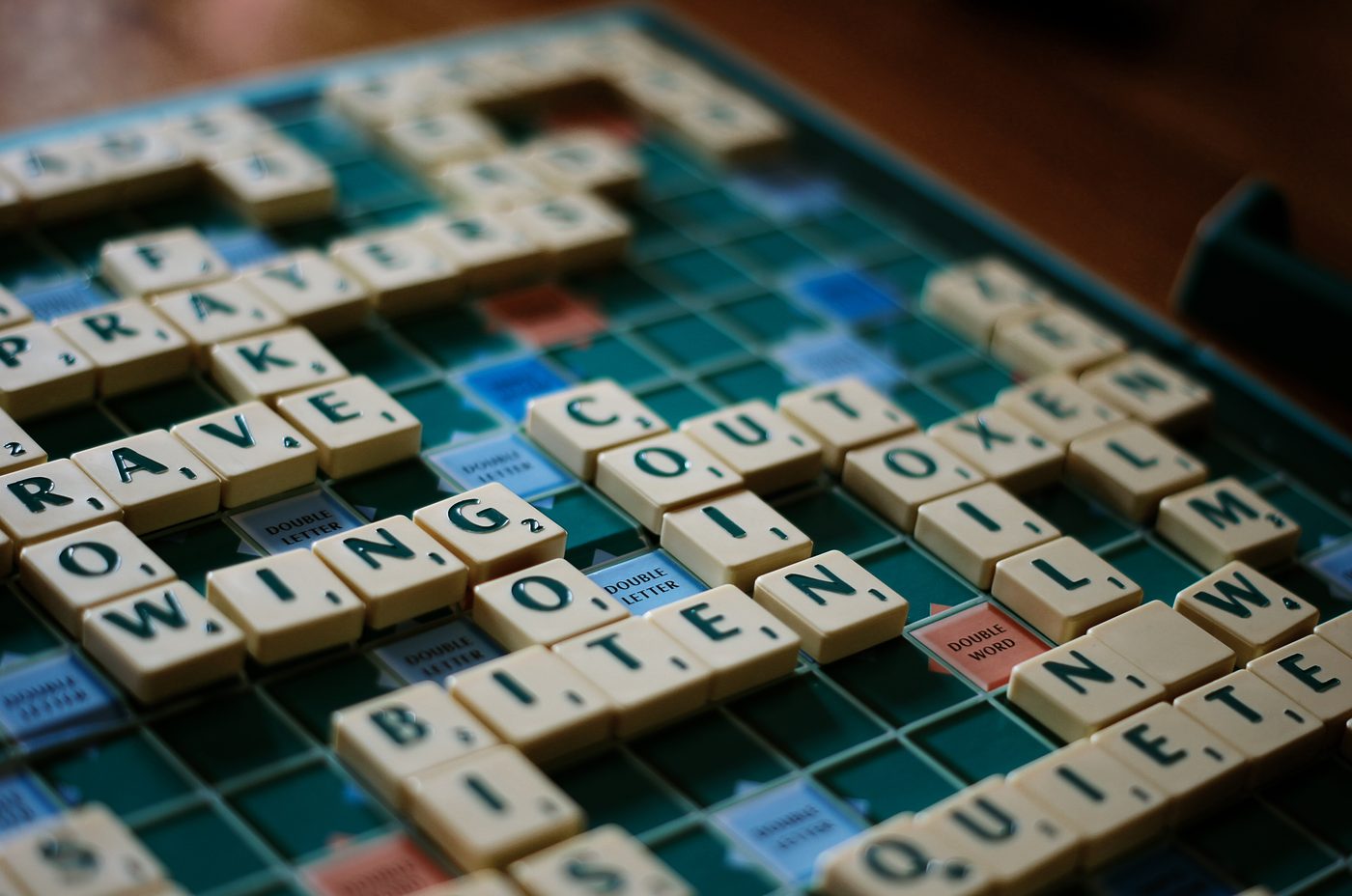
Created by architect Alfred Mosher Butts during the Great Depression under the name Criss-Crosswords, the game was refined and trademarked as Scrabble in 1948 by James Brunot. Later manufactured by Selchow & Righter, it made dictionary arguments a mandatory centerpiece of family game night.
Originating in 1860 as The Checkered Game of Life by lithographer Milton Bradley, this tabletop staple was reinvented 100 years later in 1960 by Reuben Klamer and Bill Markham. The modern overhaul added the famous 3D plastic spinner and small plastic pegs to track your growing virtual family.
Eleanor Abbott designed this sweet racing game in 1948 while recovering from polio in a San Diego hospital ward to entertain hospitalized children. Milton Bradley published it in 1949, creating a beloved color-matching journey through Gumdrop Mountain that required zero reading skills for young gamers.
Invented in 1964 by University of Illinois student John Spinello, the rights were sold to Marvin Glass and published by Milton Bradley in 1965. Players test their hand-eye coordination by extracting quirky plastic ailments from Cavity Sam without touching the metal edges and sounding the loud red nose buzzer.
Released by Ideal in 1963, this landmark 3D board game had players build an elaborate Rube Goldberg contraption together before turning on each other. Half the fun was simply seeing if the plastic marble, boot, and bucket mechanism would successfully drop the cage on your opponent's mouse.
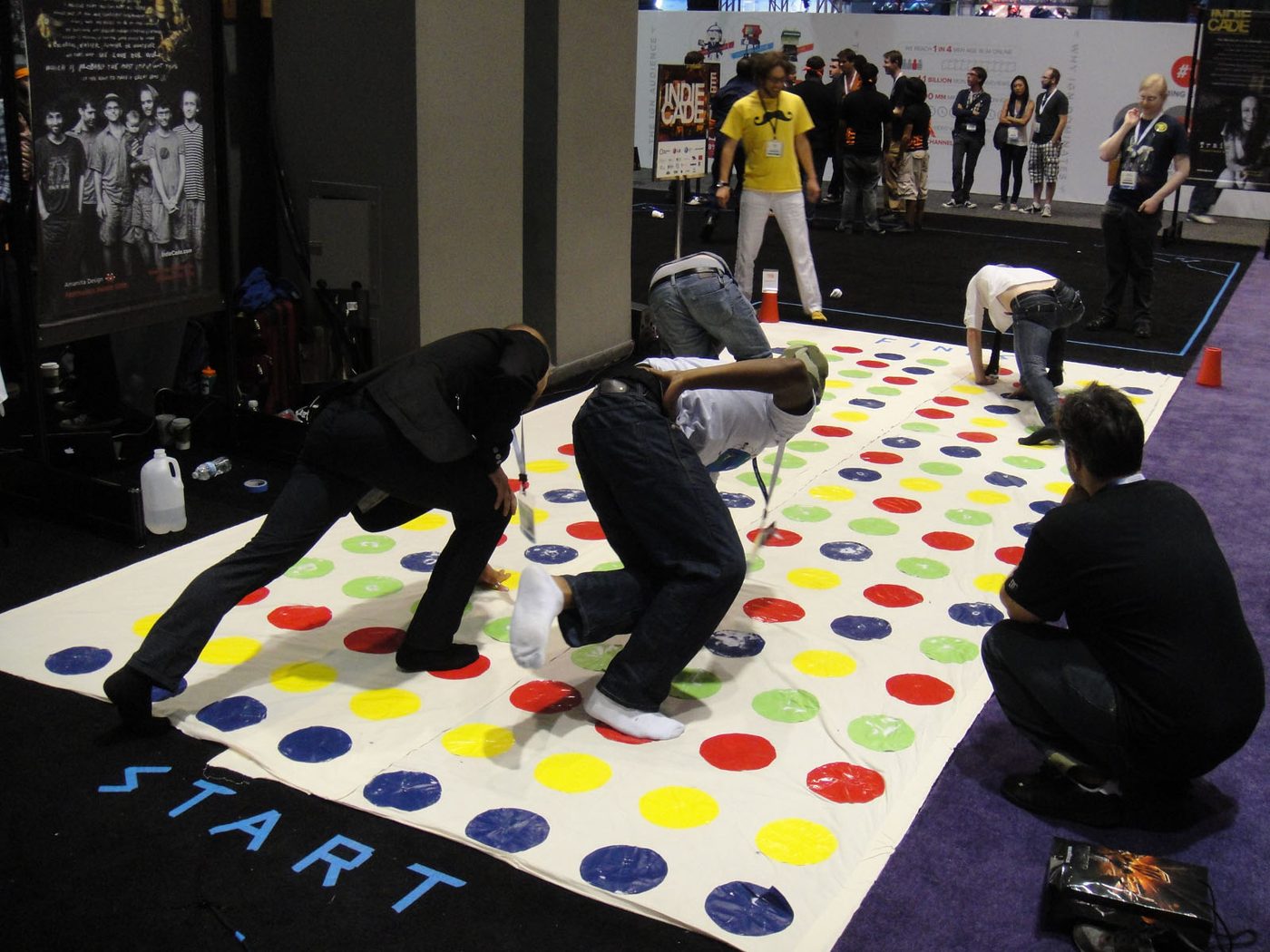
Created by Charles Foley and Neil Rabens in the mid 1960s, Milton Bradley released this body contortion classic in 1966. Initially criticized as sex in a box, sales surged after host Johnny Carson played it with actress Eva Gabor on The Tonight Show.
Based on the ancient Indian game Pachisi, this cross-and-circle card game was patented in England in 1929 before Parker Brothers acquired the US rights in 1934. Players race four pawns around the board while gleefully bumping opponents back to start under the polite guise of saying sorry.
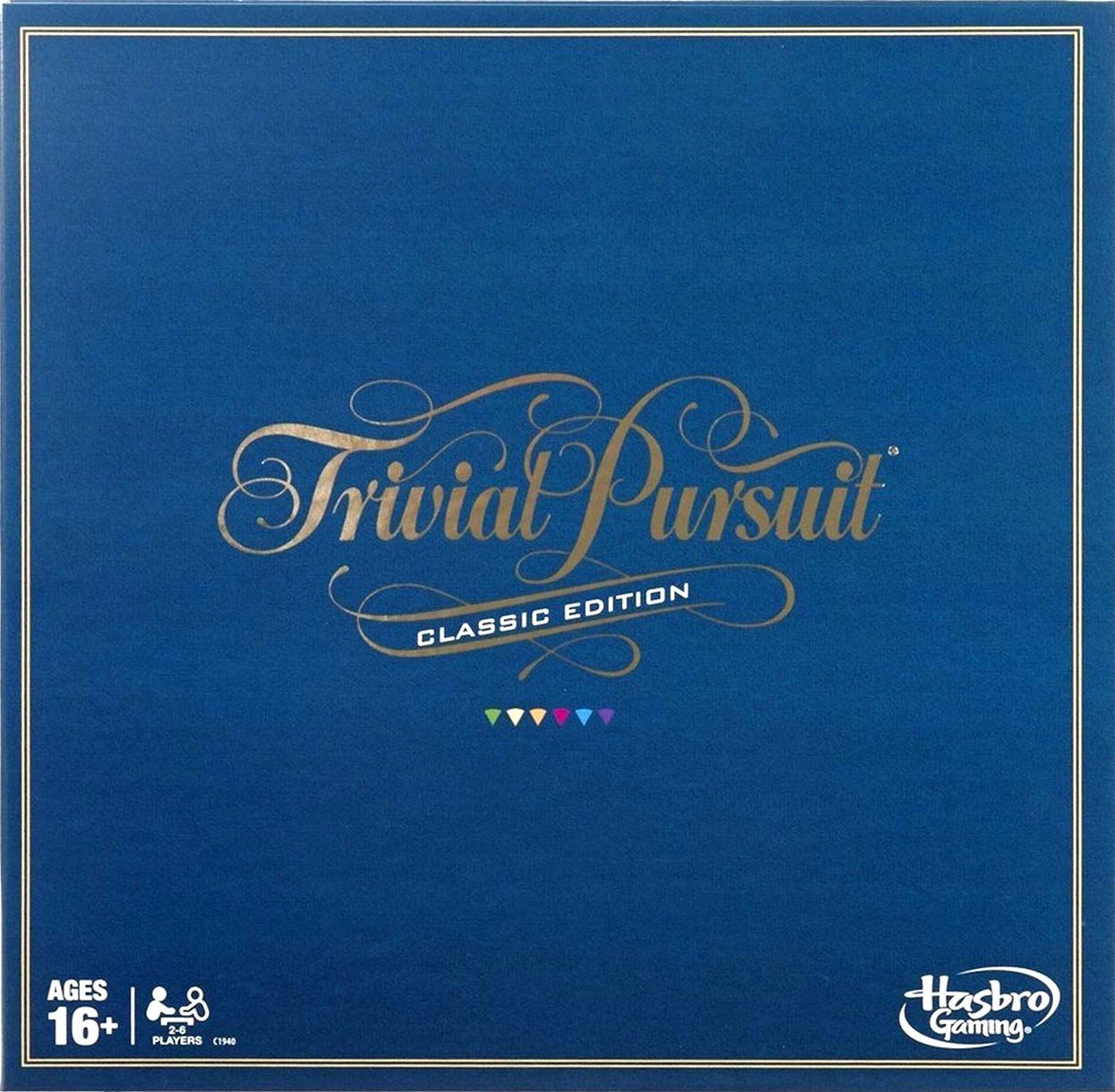
Conceived over drinks in 1979 by Canadian journalists Chris Haney and Scott Abbott, this general knowledge phenomenon officially launched in 1981. It challenged players to collect colored plastic wedges by answering thousands of trivia questions across six distinct categories.
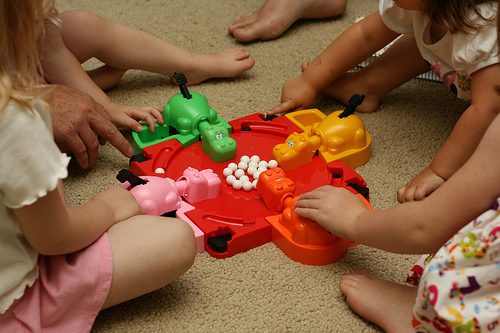
Invented by toy designer Fred Kroll in 1967, Milton Bradley officially introduced this noisy tabletop frenzy in 1978. Four brightly colored plastic hippos named Lizzie, Henry, Homer, and Harry gobbled plastic marbles in a chaotic race to see who could slam their lever the fastest.
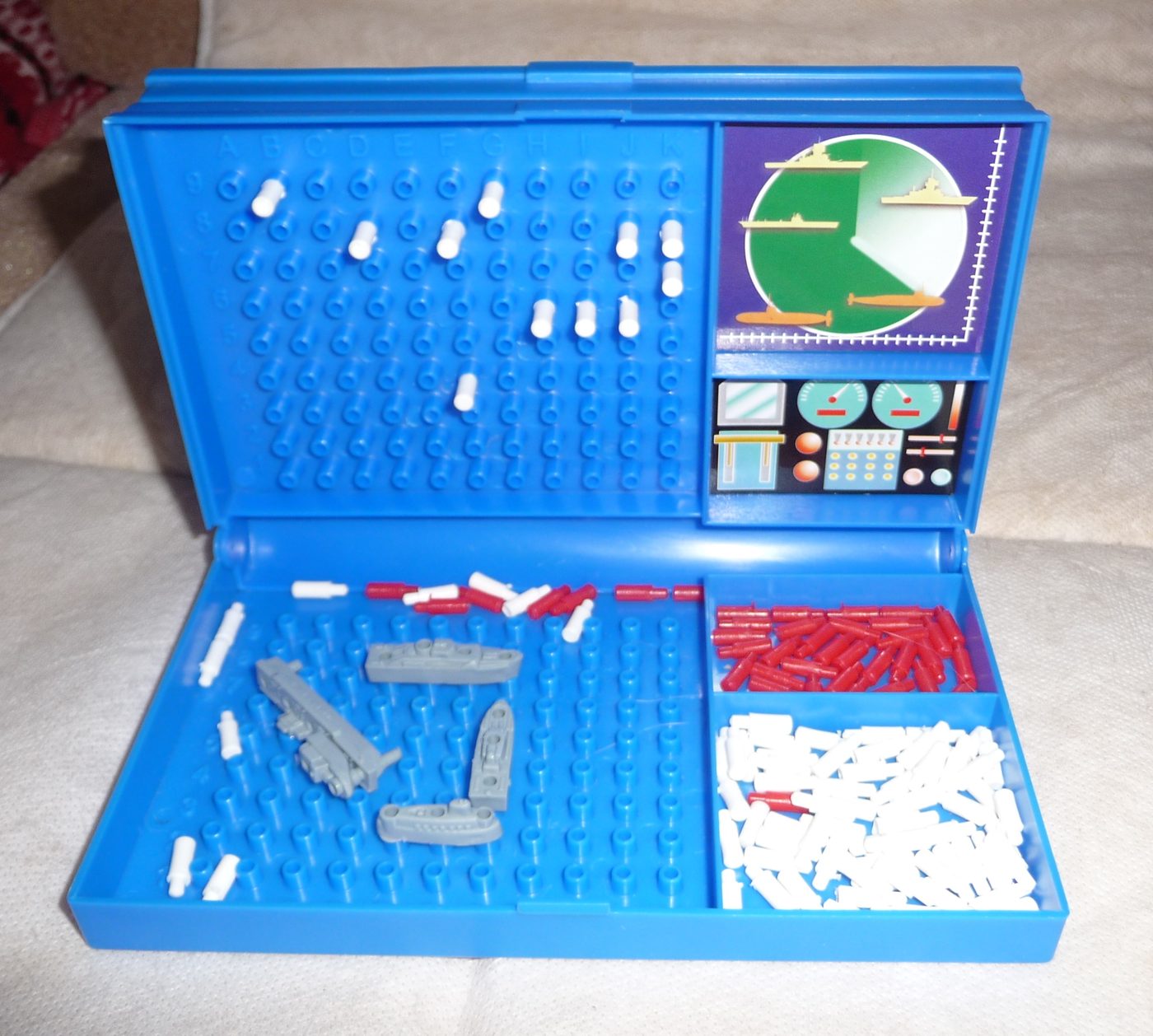
Originating as a pad and pencil game during World War I and published in paper formats in 1931, Milton Bradley transformed it into the iconic plastic pegboard game in 1967. Two players secretively plot grid coordinates to launch torpedoes and shout out those famous words when an enemy vessel sinks.
That wraps up tonight's feature on the cardboard classics that kept us competing until bedtime! Turn off the dial, fold up the boards, and stay tuned for more retro deep-dives on Common Clickbait.
Liked this?
RC
The Remote Control Desk
The Common Clickbait crew who watch too much so you don't have to. Fueled by nostalgia, cheap snacks, and an unhealthy need to be right about the ending.
Join the conversation
0comments
Which of these nostalgic game night staples caused the biggest arguments at your house, or which classic tabletop legend did we miss?
Be the first to say something.