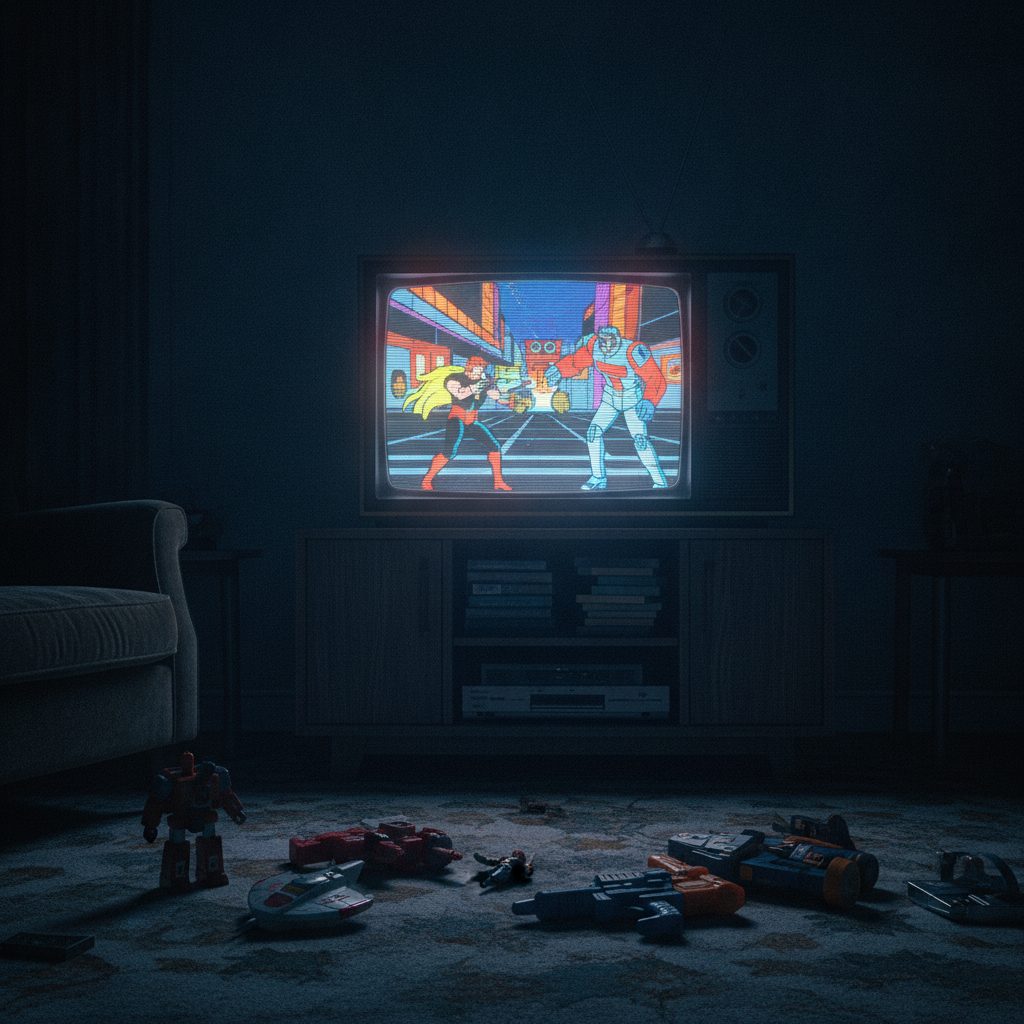
Grab your TV Guide and set the rabbit ears, because we are turning back the dial to the ultimate era of Saturday morning toy commercials disguised as cartoons!
The show was free. The 200-dollar playset was the actual product.
Welcome back, pop culture couch potatoes! Back in the 1980s, the Federal Communications Commission loosened rules regarding program length commercials, opening the floodgates for toy manufacturers to broadcast half hour ads straight into our living rooms. Here are ten classic 1980s animated shows that were created specifically to line toy store shelves with action figures, plush toys, and playsets.
01
He-Man and the Masters of the Universe (Mattel)
In 1983, toy titan Mattel partnered with Filmation to create an animated fantasy series designed around their new line of muscular action figures. The show established Eternia and Castle Grayskull specifically to turn young viewers into avid toy collectors. It quickly became an iconic phenomenon that proved half hour cartoons could power massive merchandise sales.
Hasbro acquired Japanese transforming robot toys from the Diaclone and Micro Change lines, then partnered with Marvel and Sunbow to forge a cohesive storyline. The 1984 animated series brought Optimus Prime and the Autobots to life as they battled Megatron and the Decepticons across Earth. Each episode double served as entertainment and a glowing advertisement for plastic vehicle to robot toys.
Hasbro shrank its traditional military hero from twelve inches down to 3.75 inches and built an animated universe with Sunbow and Marvel to sell the new figure line. The syndicated cartoon featured high tech combat vehicles, distinct specialty soldiers, and the villainous Cobra organization. Kids tuned in daily for the battle, then immediately wrote down which playsets and troops to demand for their birthday.
Following the 1982 debut of Hasbro's popular plastic horse line, Sunbow Productions launched a full animated TV series in 1986 to expand the brand's reach. The colorful show followed pastel ponies through magical adventures in Ponyland while introducing fresh pony variants each season. It demonstrated to the broadcast industry that toy driven animation could be just as lucrative for girls' toys as it was for boys' action figures.
Originally debuting on greeting card illustrations, the Care Bears were licensed to Kenner for a lucrative line of plush toys. DIC Enterprises brought the belly badged bears to television in 1985 to craft a magical world named Care-a-Lot. The animated show ensured that every child knew the name and personality of every soft bear sitting on store shelves.
Rankin/Bass Animated Entertainment brought ThunderCats to television screens in 1985, featuring feline humanoid aliens fighting evil forces on Third Earth. The cartoon was produced in close coordination with toy manufacturer LJN, which released matching action figures and weapons. Lion-O's Sword of Omens and the ThunderTank were animated with incredible style to maximize their irresistible appeal at retail.
Kenner launched M.A.S.K. in 1985 to blend transforming vehicles with military action figure storytelling. DIC Entertainment produced the companion animated series to highlight Matt Trakker's strike force operating dual mode sports cars, trucks, and high tech helmets. Every episode showcased the transforming gimmicks of the toys, turning television broadcasts into irresistible product demonstrations.
Hasbro teamed up with Sunbow Productions and Marvel to launch Jem as a high concept challenger to Mattel's Barbie franchise. The animated series focused on record executive Jerrica Benton using a holographic computer to become the pink haired rockstar Jem. The show's catchy music videos and fashion changes were crafted specifically to sell Hasbro's taller fashion dolls and play accessories.
Hallmark Cards developed Rainbow Brite as a media character and partnered with Mattel to produce a wide range of dolls, plush pets, and accessories. DIC Enterprises produced the 1984 animated TV series to take viewers on color saving missions across Rainbowland. The broadcast provided a weekly showcase for Mattel's colorful plush dolls and Sprite companion toys.
After Worlds of Wonder hit jackpot sales with their animatronic, tape playing plush bear in 1985, an animated television series followed in 1987. Produced by DIC Enterprises, the show serialized the fantasy adventures of Teddy Ruxpin and Grubby across the land of Grundo. The cartoon expanded the character lore while keeping the groundbreaking talking plush bear at the top of holiday wish lists.
We now return you to your regularly scheduled programming, but not before you tell us which 30-minute plastic advertisement successfully emptied your parents' wallets back in the day. Drop your favorite Saturday morning guilty pleasure in the comments and broadcast this blast from the past to your fellow couch potatoes!
Liked this?
RC
The Remote Control Desk
The Common Clickbait crew who watch too much so you do not have to. Fueled by nostalgia, cheap snacks, and an unhealthy need to be right about the ending.
Join the conversation
0comments
Which of these classic 1980s toy line cartoons was your absolute favorite, or which nostalgic show did we miss?
Be the first to say something.