Tune your television sets to channel three, retro fans, because we are beaming back to an era when blocky pixels ruled living room carpets everywhere.
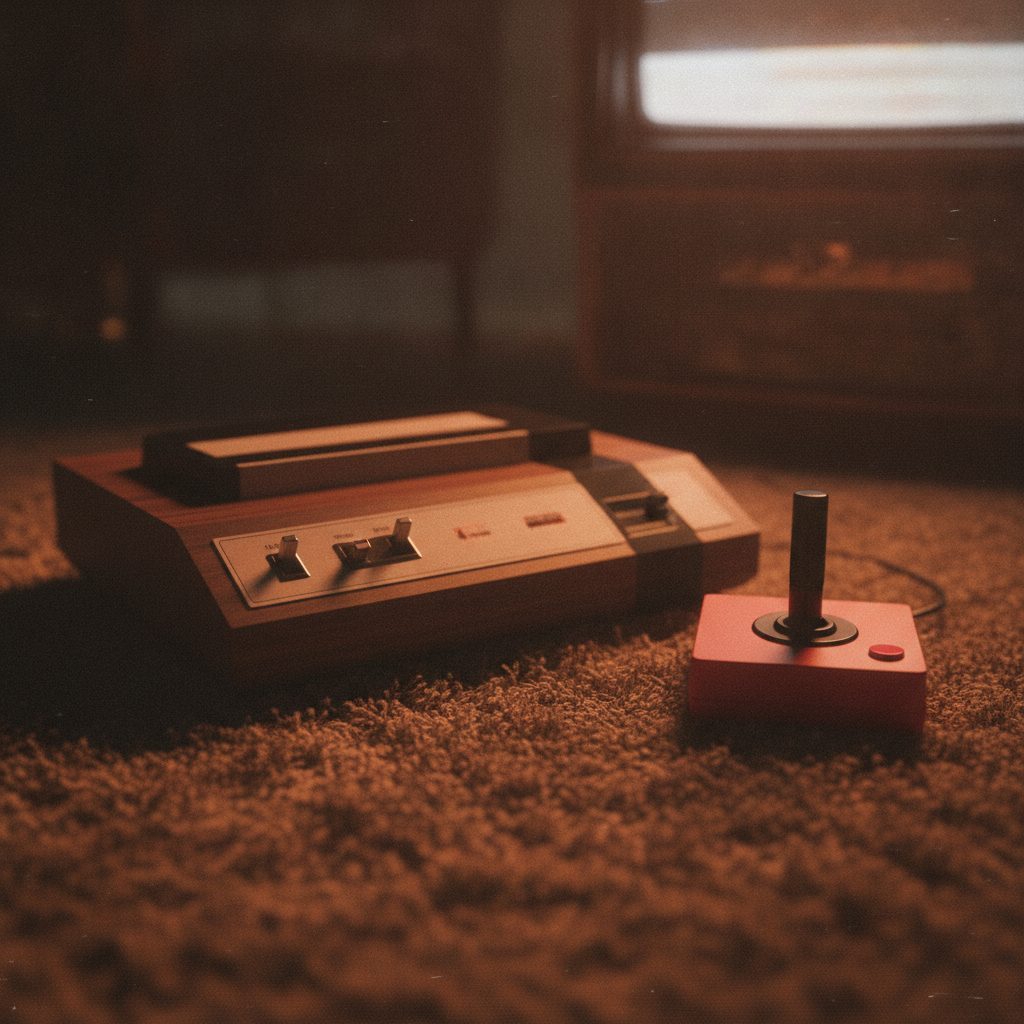
In September 1977, Atari released a heavy piece of plastic adorned with faux-wood paneling known as the Atari Video Computer System, later rebranded as the Atari 2600. Before this wooden titan arrived on the scene, home electronic gaming was largely restricted to single-purpose hardware dedicated to one or two built-in games, such as standalone home versions of Pong. The Atari VCS altered the entire landscape of home entertainment by popularizing microprocessors paired with interchangeable ROM cartridges. Suddenly, players did not need to buy a brand new console every single time a new sport or arcade hit appeared. They simply needed to pop a plastic cartridge into a single slot, flip a heavy metal toggle switch, and watch colorful line art transform their television screens.
When the machine landed on department store shelves in late 1977, it debuted alongside a lineup of nine launch titles. The undisputed star of the show was the bundled pack-in game, Combat. Packed right inside the box along with iconic rubber-sleeved joystick controllers and paddle dials, Combat allowed two players to engage in fierce head-to-head competition with pixelated tanks, biplanes, and jet fighters. For millions of suburban children, gripping those tactile joysticks while listening to primitive sound effects echo through TV speakers provided their very first taste of interactive digital battle right in front of the couch.
While the underlying hardware was genuinely revolutionary, console sales during the first couple of years were steady rather than runaway hits. Everything shifted dramatically in March 1980 with the release of the official home port of Space Invaders. Programmed by Rick Maurer, this arcade conversion became the original killer application for the home video game industry. It became the first home console cartridge to shatter the one-million copies barrier, ultimately selling over six million units. Countless families purchased the entire console hardware system specifically so they could defend Earth from descending alien fleets right from their living rooms without constantly feeding physical quarters into arcade machines.
Supercharged by the unbelievable success of Space Invaders and an expanding library of colorful software, Atari entered a legendary period of explosive financial growth. By 1981 and 1982, parent corporation Warner Communications watched Atari dominate home video games while generating tremendous profits. During this peak era, Atari was widely reported as the fastest-growing company in United States history. The iconic hardware eventually surpassed thirty million units sold worldwide across its extended lifespan, turning the brand name Atari into a universal household synonym for video games across global popular culture.
However, no tech empire remains at the top forever, especially one operating in an unregulated gold rush. Phenomenal commercial success lured dozens of third-party publishers into the market, resulting in store shelves overflowing with rushed software and poor-quality cartridges. Disillusioned consumers quickly lost trust in software quality, triggering the devastating North American video game crash of 1983. Unsold cart inventory flooded bargain clearance racks and famously wound up buried under dirt in New Mexico landfills. That catastrophic market contraction ended Atari dominance and reshaped the entire industry, yet those satisfying woodgrain switches and nostalgic eight-bit sound effects established the undeniable blueprint for modern home gaming.
RC
The Remote Control Desk
The Common Clickbait crew who watch too much so you do not have to. Fueled by nostalgia, cheap snacks, and an unhealthy need to be right about the ending.


Be the first to say something.