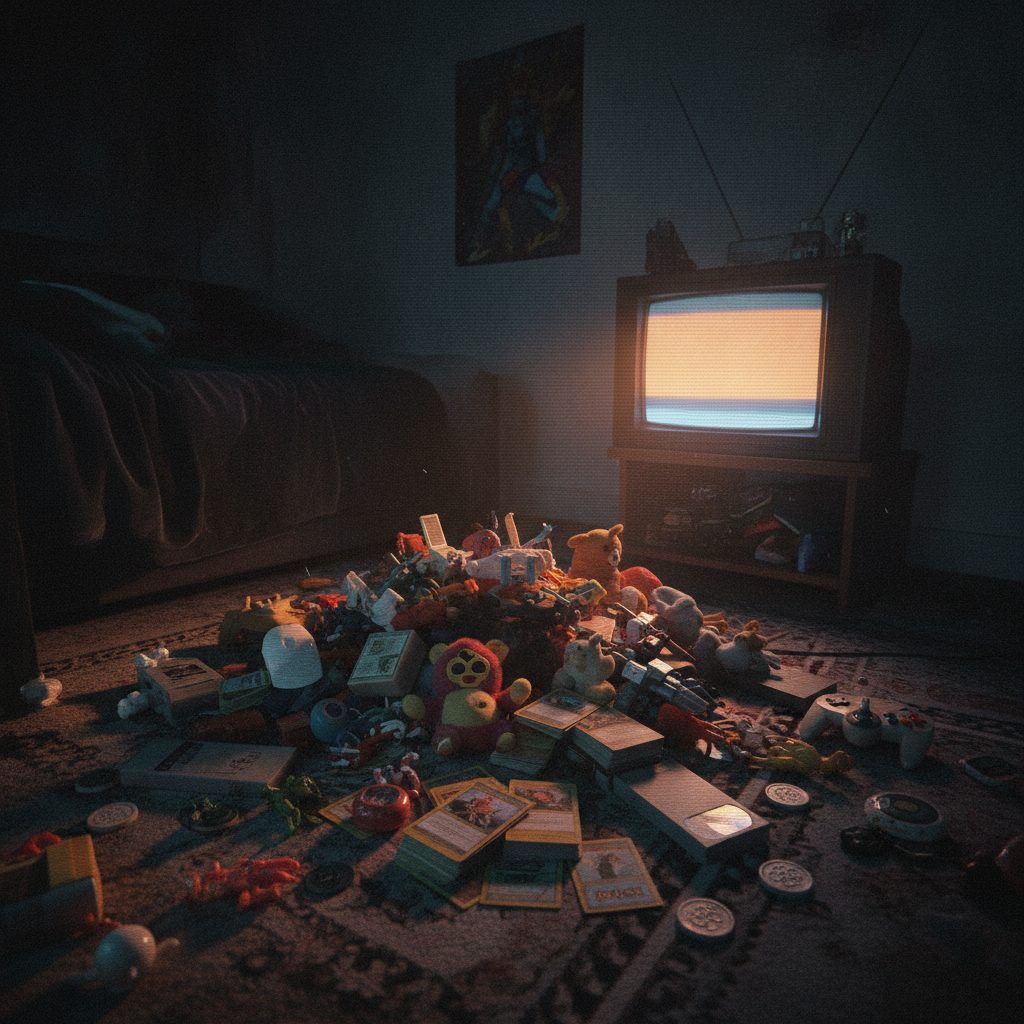
Welcome back to the airwaves of nostalgia as we count down ten legendary collecting crazes that drove kids and parents completely wild during the 1990s and 2000s.
We were all convinced this stuff would pay for college. It did not.
Grab your holographic cards and check on your digital pets because we are tuning in to the ultimate retro broadcast. From playground trading markets to frantic holiday shopping lines, the 1990s and 2000s delivered an era of collecting fever like no other. Join us as we look back at ten real world crazes that swept the globe before fading into pop culture history.
01
Beanie Babies (Mid to Late 1990s)
Created by Ty Warner, these plush toys filled with plastic pellets triggered a massive buying frenzy when Ty deliberately limited distribution and retired specific plushies to create artificial scarcity. Adults treated them as serious financial investments until overproduction and market saturation brought the speculative bubble crashing down.
Pokemon Trading Card Game (Late 1990s to Early 2000s)
Launched in Japan in 1996 and brought to North America by Wizards of the Coast in 1998, these collectible cards sparked nationwide playground trading frenzies during the peak Pokemania era. School bans and changing childhood interests caused the initial wild rush to settle into a steady, lasting hobby.
Originating from cardboard juice caps in Hawaii, this simple game swept elementary schools as kids slammed heavy brass or plastic slammers onto stacks of decorated discs. The craze burned bright and fast, fading as school districts banned them for promoting gambling and kids moved on to electronic toys.
Introduced by Bandai in 1996, these egg-shaped keychain devices tasked owners with feeding and caring for a needy digital pet that beeped constantly throughout the day. The frantic urge to keep virtual pets alive led to widespread classroom bans, and the hyper-fixation cooled down as novel handheld electronics matured.
Released by Tiger Electronics in 1998, these robotic animatronic creatures wowed shoppers by mimicking English learning and babbling in their native language called Furbish. Millions sold during the initial holiday rush, but the fad lost steam as the novel robotic chatter wore thin and newer tech hit store shelves.
BCP Imports began popularizing these shaped silicone rubber bands in 2008, and the craze peaked around 2010, which snapped onto wrists like colorful bracelets and snapped back into shapes when removed. Kids stacked dozens up their arms and traded them endlessly until school bans and market fatigue caused the quick trend to deflate.
Ganz launched this plush toy line in 2005, giving each stuffed animal a secret code that unlocked a virtual counterpart in an interactive online world. Millions of kids logged on to decorate rooms and care for digital pets until mobile gaming apps shifted attention away from browser-based desktop worlds.
Originally invented in Austria as a mint dispenser, Pez morphed into a retro pop-culture obsession during the 1990s as collectors aggressively sought character heads. Dedicated conventions and museum displays popped up worldwide, though the manic secondary market eased as casual collectors moved to new hobbies.
Mattel revolutionized die-cast car collecting in 1995 by introducing limited Treasure Hunt sets featuring special paint and rubber tires scattered in standard store shipments. Adults joined kids in hunting retail pegs, created avid collector clubs, and maintained a subculture that normalized adult die-cast collecting.
Created in Denmark by Thomas Dam, these wild-haired plastic figures enjoyed a massive nostalgic renaissance throughout the 1990s under brands like Russ Berrie. Millions filled bedroom shelves before market oversaturation and shifting toy trends caused the colourful hair craze to quiet down.
Don't touch that dial just yet, channel surfers! Drop a comment below to tell us which of these glorious plastic money pits stole your heart and your piggy bank back in the day.
Liked this?
RC
The Remote Control Desk
The Common Clickbait crew who watch too much so you do not have to. Fueled by nostalgia, cheap snacks, and an unhealthy need to be right about the ending.
Join the conversation
0comments
Which of these classic collecting crazes did you hoard in your bedroom, or which iconic trend did we leave off the list?


Be the first to say something.