Every one of these was under somebody's tree at some point.
Welcome back to Common Clickbait, where we fire up the broadcast towers to celebrate the absolute giants of the toy aisle. From high-tech animatronics to simple walking springs, these twelve playthings defined entire generations and shattered sales records around the globe.
01
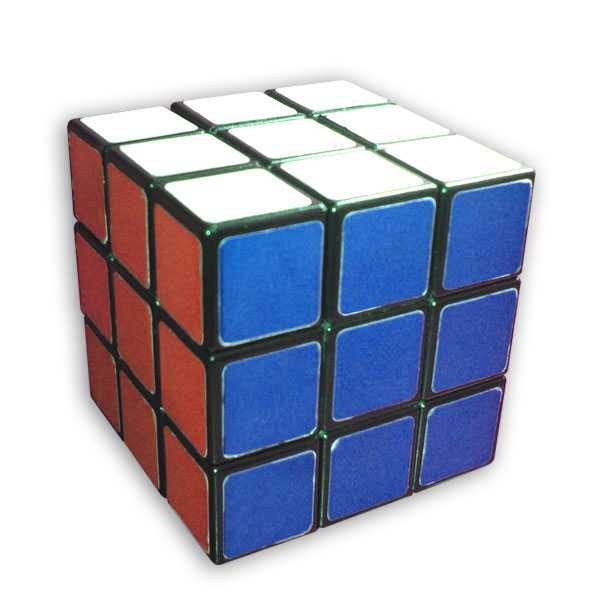
Rubik's Cube (Ideal Toy Company, 1980)
Invented by Hungarian professor Ernő Rubik in 1974, this mind-bending 3D puzzle was licensed to Ideal Toy Company for worldwide distribution in 1980. Its colorful rotating faces captivated millions of frustrated solvers across the globe. With over 300 million units sold, it stands as one of the best-selling puzzle toys in human history.
Created by Ruth Handler and launched by Mattel at the American International Toy Fair, this iconic fashion doll revolutionized the toy aisle in 1959. Designed as an adult-styled doll for young girls, she quickly became a massive pop-culture phenomenon with hundreds of careers and outfits. Decades later, billions of Barbie dolls have been sold in more than 150 countries worldwide.
Co-founder Elliot Handler pushed Mattel to create a line of die-cast toy cars that looked sleek and rolled exceptionally fast on orange plastic tracks. Debuting in 1968 with the famous sixteen muscle cars, the line quickly sped past its competitors. Today, billions of die-cast Hot Wheels vehicles have rolled off assembly lines and into living rooms everywhere.
While Danish carpenter Ole Kirk Christiansen started making wooden toys in 1932, the modern plastic interlocking brick system was patented in 1958. These colorful studded blocks allow endless creative building options for kids and adult collectors alike. The Lego Group grew into the world's largest toy company by revenue, producing hundreds of billions of plastic bricks over the decades.
Based on Xavier Roberts' handcrafted Little People soft sculptures, Coleco mass-produced these adoptable cloth-bodied dolls starting in 1982. Each doll came complete with its own unique name, adoption papers, and birth certificate. Demand was so intense that the 1983 holiday season triggered famous department store riots as millions of dolls were snapped up by frantic parents.
Ty Warner launched these plastic pellet-stuffed plush animals in 1993, giving each creature its own heartwarming poem and heart-shaped tag. By deliberately limiting supply and retiring specific animals, Ty Inc. sparked a wild frenzy of collecting and speculative trading in the late 1990s. The cute bean-filled creatures generated billions of dollars in sales during the peak of Beanie Mania.
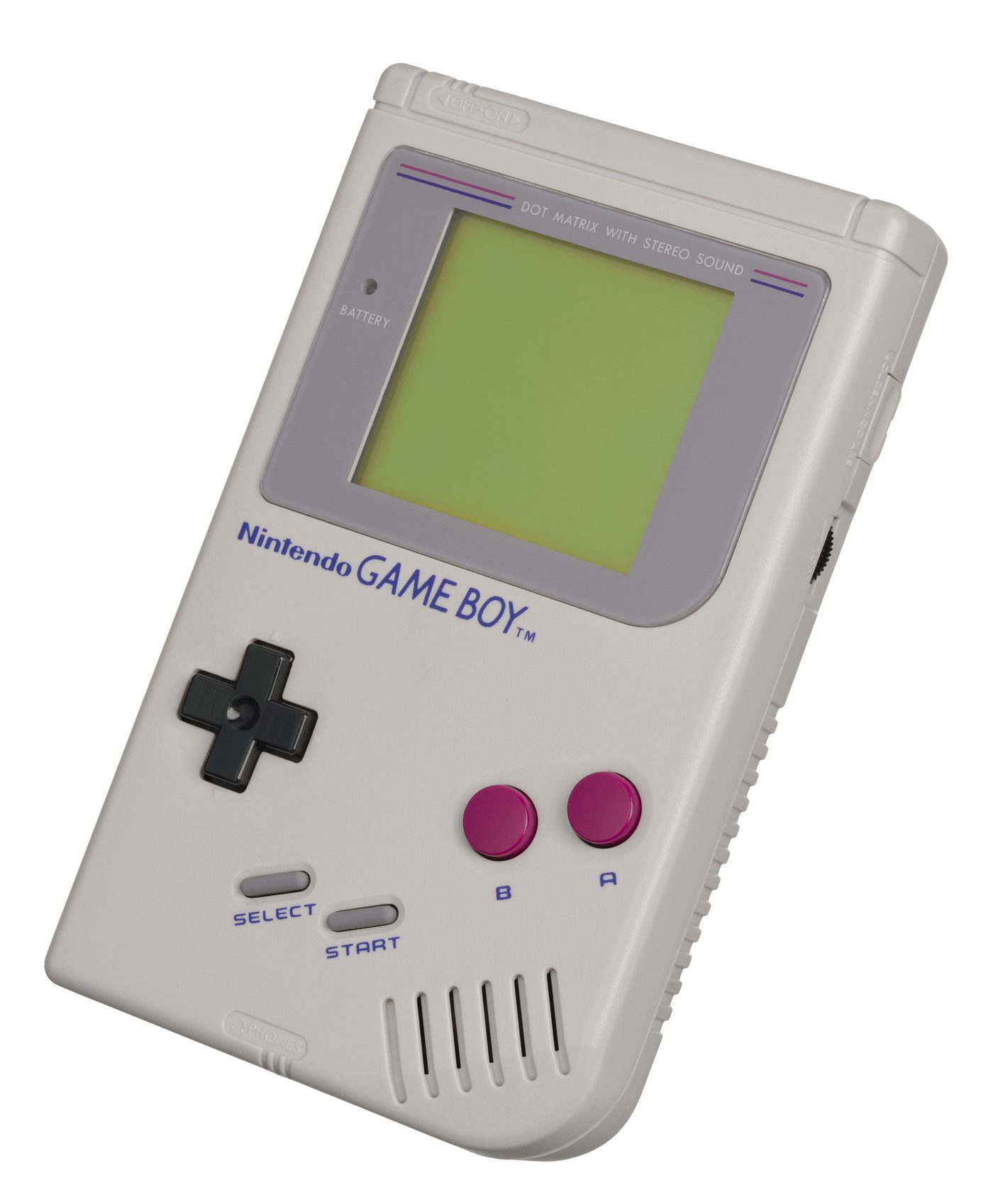
Designed by Gunpei Yokoi and Nintendo's R&D1 team, this gray 8-bit handheld video game console debuted in 1989 bundled with the addictive puzzle game Tetris. Its durable build and long battery life helped it dominate the portable gaming market over monochrome competitors. Together with its successor the Game Boy Color, the handheld powerhouse sold over 118 million units worldwide.
Naval engineer Richard James accidentally discovered the walking motion of a helical spring in 1943, and his wife Betty named the classic toy. After a stunning 1945 holiday demonstration at a Philadelphia Gimbels department store, all 400 initial units sold out in just ninety minutes. Millions of these simple walking springs have bounced down staircases around the globe since then.
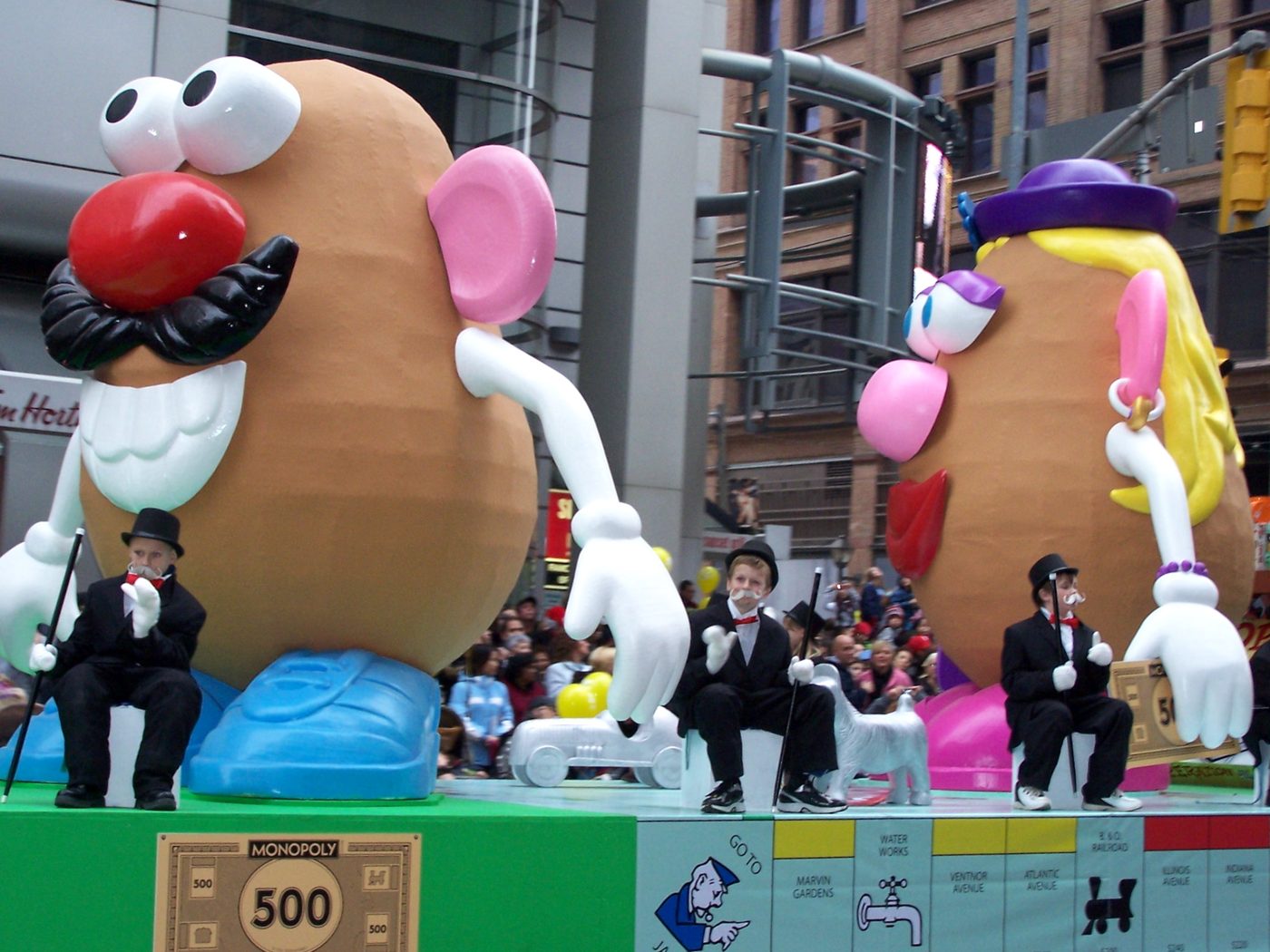
Inventor George Lerner designed plastic facial features that kids could stick into real vegetables before Hasbro began distributing the toy set in 1952. It made history as the very first toy advertised directly to children on television, leading to massive sales. Hasbro later introduced a hard plastic spud body in 1964 to replace real potatoes and avoid messy rot.
Tiger Electronics unleashed this robotic owl-like creature in October 1998, complete with animatronic eyes, ears, and its own native Furbish language. The interactive pet seemed to gradually learn English as kids played with it, sparking a massive holiday buying frenzy. Over forty million Furbies were sold during its initial three-year production run.
Tyco Preschool released this vibrating, giggling plush version of the beloved Sesame Street character in 1996. After featured appearances on talk shows, demand exploded into a holiday shopping frenzy where scalpers sold twenty-eight dollar dolls for hundreds of dollars. Millions of units were snapped up, cementing Elmo as a permanent superstar of the plush toy market.
Created by Ken Forsse and released by Worlds of Wonder in 1985, this high-tech animatronic animates its eyes and mouth while playing audiocassette storybooks. The storytelling Illiop captivated children across America and became the top-selling toy of 1985 and 1986. Its groundbreaking success proved that electronic storytelling plush could command top dollar at retail stores.
We now return you to your regularly scheduled adulthood, but our comment section remains open for your fondest plaything memories. Tell us which of these classic toys defined your youth, or send this broadcast to that one friend who still thinks their Beanie Babies will fund their retirement.
Liked this?
RC
The Remote Control Desk
The Common Clickbait crew who watch too much so you don't have to. Fueled by nostalgia, cheap snacks, and an unhealthy need to be right about the ending.
Join the conversation
0comments
Which of these legendary playthings ruled your childhood living room, or which all-time classic did we leave on the store shelf?





Be the first to say something.