Welcome back to Common Clickbait, where we preserve physical media before it evaporates into the digital cloud. Join us on a high-fidelity tour through audio history as we revisit the physical media that once defined our living rooms and dashboards.
01
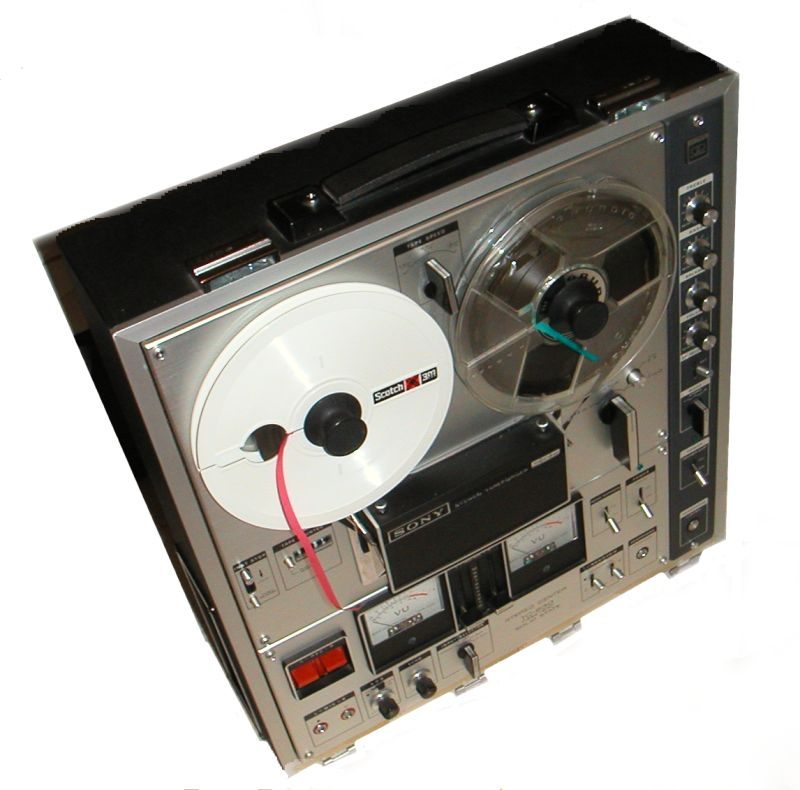
Reel-to-Reel Audio Tape
Long before casual listeners carried music in their pockets, reel-to-reel tape decks delivered audiophile sound through large open spools of magnetic tape. Popular in home setups and recording studios during the mid-twentieth century, the format required careful manual threading to play. Its bulky size and high manufacturing costs eventually paved the way for smaller, enclosed cassette alternatives.
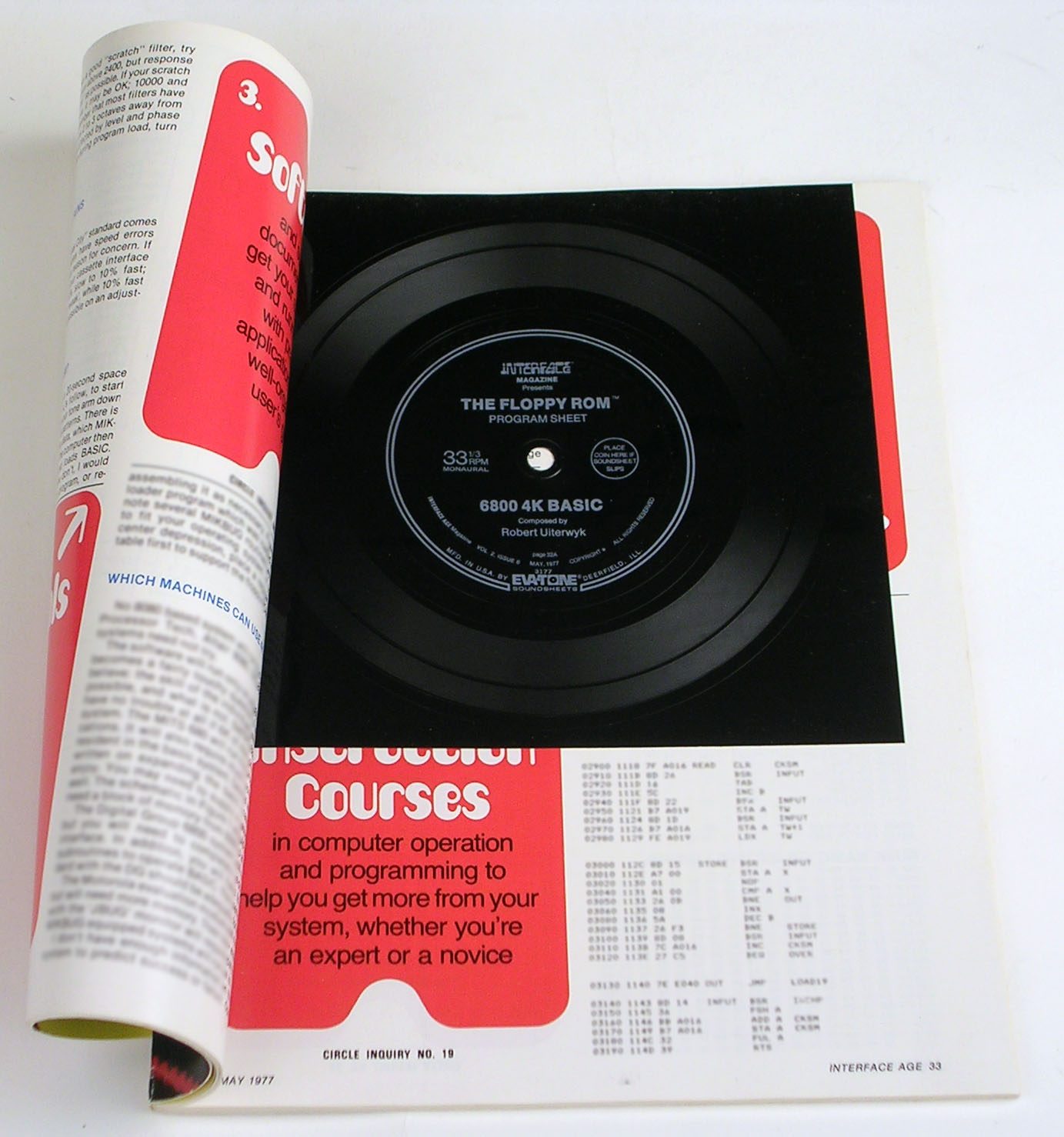
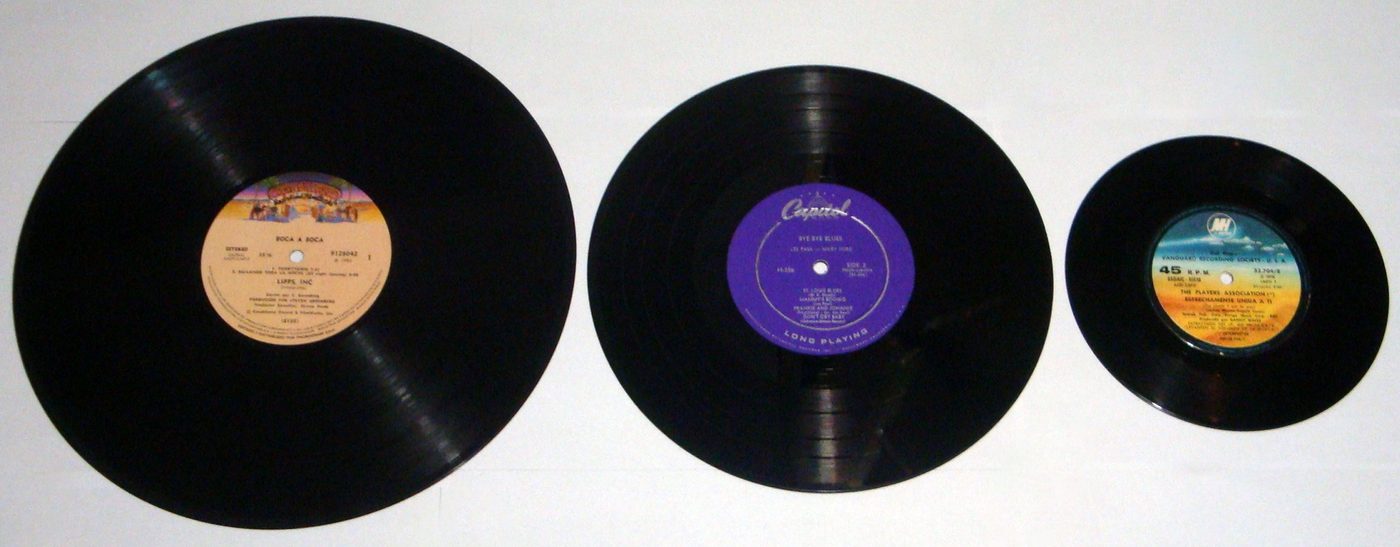
Introduced in the late 1940s, seven-inch 45 rpm records became the staple for radio hits, while flimsy paper-thin flexi discs were bundled into magazines and cereal boxes. These formats brought affordable single tracks straight to teenage bedrooms throughout the 1960s and 1970s. As full-length albums took over consumer taste and digital media emerged, disposable flexi discs and single records faded from mass distribution.
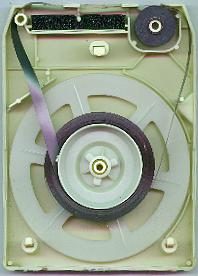
The continuous-loop 8-track cartridge ruled car stereos during the late 1960s and 1970s, letting drivers choose their own soundtracks on the highway. Fans loved the convenience, even if songs abruptly split mid-track with an audible click as the tape changed channels. By the early 1980s, the format clunked into obscurity as slimmer compact cassettes offered easier rewinding.
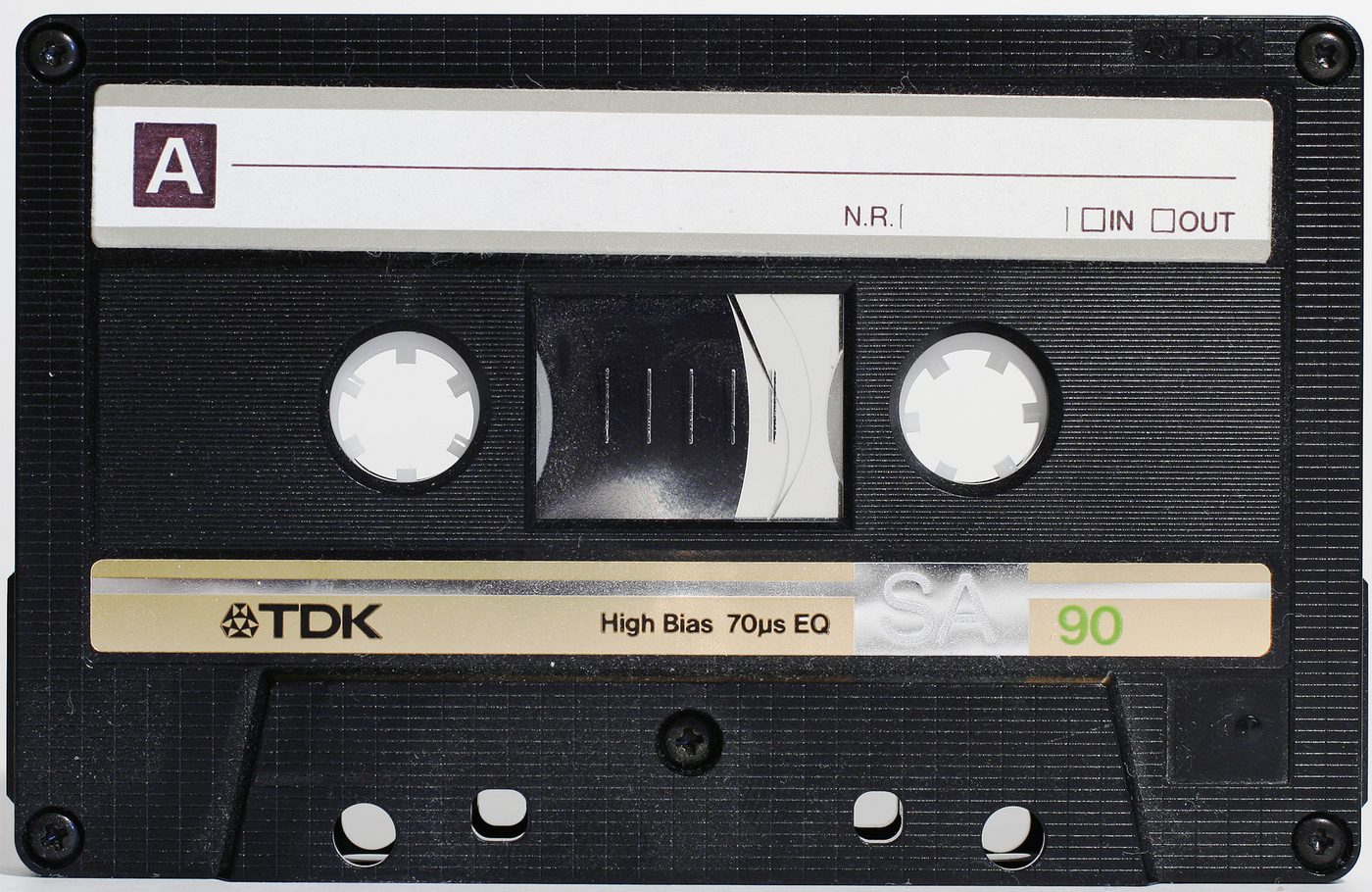
Developed by Philips in 1963, the compact cassette revolutionized music listening by enabling portable Walkman players and customized mixtape culture. It dominated global music sales throughout the 1980s thanks to its durable plastic shell and recordable tape. The format eventually surrendered its crown when optical discs offered instant track skipping without tape jams.
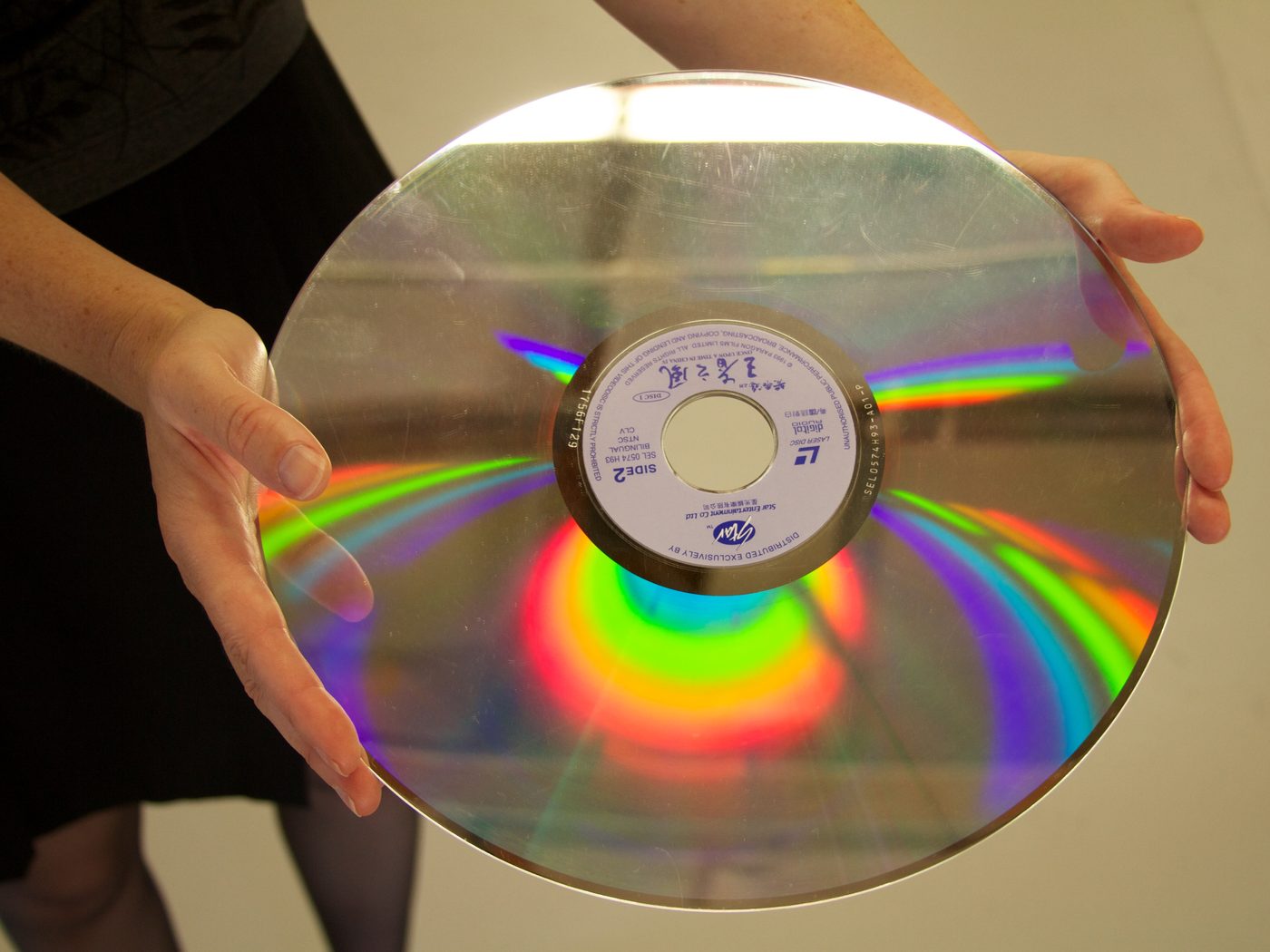
Launching commercially in 1978, the giant twelve-inch LaserDisc combined high quality video with analog and uncompressed digital audio. Movie collectors praised its crisp picture and early surround sound capabilities during the 1980s and 1990s. However, the discs were expensive, couldn't record TV broadcasts, and required flipping mid-movie, leaving them vulnerable to smaller DVD formats.
Sony introduced Digital Audio Tape in 1987 to bring uncompressed studio-quality digital recording into a tiny cassette shell. While professional recording engineers and bootleg collectors embraced its crystal-clear sound, record labels feared perfect digital cloning. High player prices and consumer pushback kept DAT confined to pro studios until computer hard drives took over multi-track recording.
Sony launched the MiniDisc in 1992, offering a pocket-sized optical disc encased in a protective plastic cartridge that skipped less than a portable CD player. It achieved huge popularity in Japan and among recordists who loved editing track titles on the fly. Sadly, slow global adoption and the rise of flash-memory MP3 players prevented it from conquering Western markets.
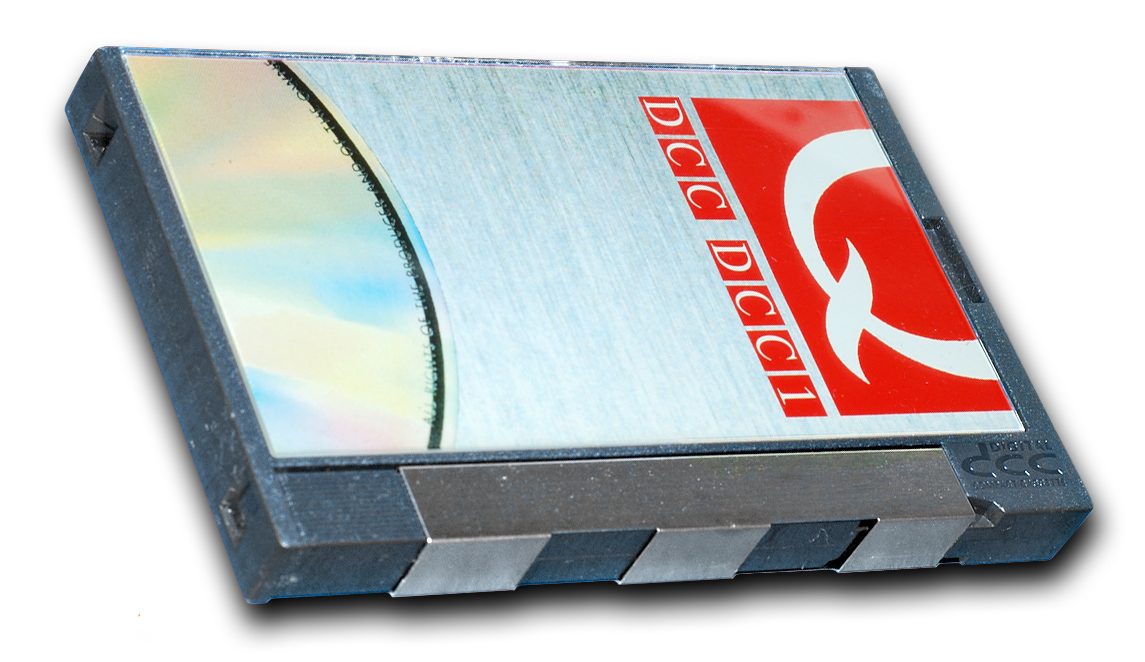
Philips released the Digital Compact Cassette in 1992 as a high-tech upgrade that could play back your old analog cassettes while recording digital sound. Despite clever backward compatibility, players were costly and consumers found little reason to upgrade from standard CDs. The format was officially discontinued in 1996 after selling only a modest number of units worldwide.
Columbia Records introduced the 12-inch 33 rpm LP in 1948, establishing the album format that dominated home audio for decades. Though CDs forced vinyl into niche status by the 1990s, the medium refused to die and kicked off a massive modern resurgence. Today, vinyl survives as a thriving physical format prized by audiophiles and collectors for its tactile artwork and warm analog sound.
First launched in 1982, the optical Compact Disc revolutionized music retail with pristine digital sound and instant track access. CDs dominated global album sales across the 1990s and early 2000s, turning shiny plastic discs into household staples. While digital downloads and streaming platforms have caused physical sales to decline sharply, millions of CDs still line shelf collections everywhere.
That concludes our trip through the changing airwaves of audio history. Keep your tape heads clean and your turntables calibrated until our next broadcast on Common Clickbait.
Liked this?
RC
The Remote Control Desk
The Common Clickbait crew who watch too much so you don't have to. Fueled by nostalgia, cheap snacks, and an unhealthy need to be right about the ending.
Join the conversation
0comments
Which lost physical media format do you miss hoarding in your living room, or did we leave your favorite quirky tape off our list?


Be the first to say something.