Gather round, pop-culture travelers, and set your time circuits to the autumn of 1995. It was a glorious era of dial-up modems, oversized flannel shirts, and plastic cassette cases. Cinema history was about to shift on its axis. On November 22, 1995, moviegoers stepped into theaters to experience Toy Story, the first feature film animated entirely with computer graphics. Directed by John Lasseter, this vibrant tale about secret plaything lives was not just a charming comedy. It was an unprecedented technical victory that fundamentally altered how Hollywood creates animated movies.
The path to this digital milestone began long before Woody and Buzz ever crossed screen boundaries. In 1979, the team originally formed as the computer division of Lucasfilm, known as The Graphics Group. That group pushed the boundaries of hardware and rendering technology for years before stepping into independence. In 1986, Apple co-founder Steve Jobs purchased the division from George Lucas for ten million dollars, establishing the newly spun-off company as Pixar. Though Pixar initially focused on selling high-end computer hardware like the Pixar Image Computer, its creative artists kept producing animated shorts to showcase their groundbreaking software.
After earning acclaim for short films like Tin Toy, the ambitious studio set its sights on the ultimate goal: a full-length CGI feature film. Pixar signed a pivotal partnership with Walt Disney Pictures to finance and distribute the project. Director John Lasseter knew that flashy tech meant nothing without compelling characters, so the team crafted a story anchored by two brilliant lead performances. Tom Hanks supplied the anxious warmth for Woody, an old-school pull-string cowboy doll who fears losing his place as Andy's favorite toy. Tim Allen brought booming boastfulness to Buzz Lightyear, a space cadet action figure convinced he is an actual galaxy-defending ranger.
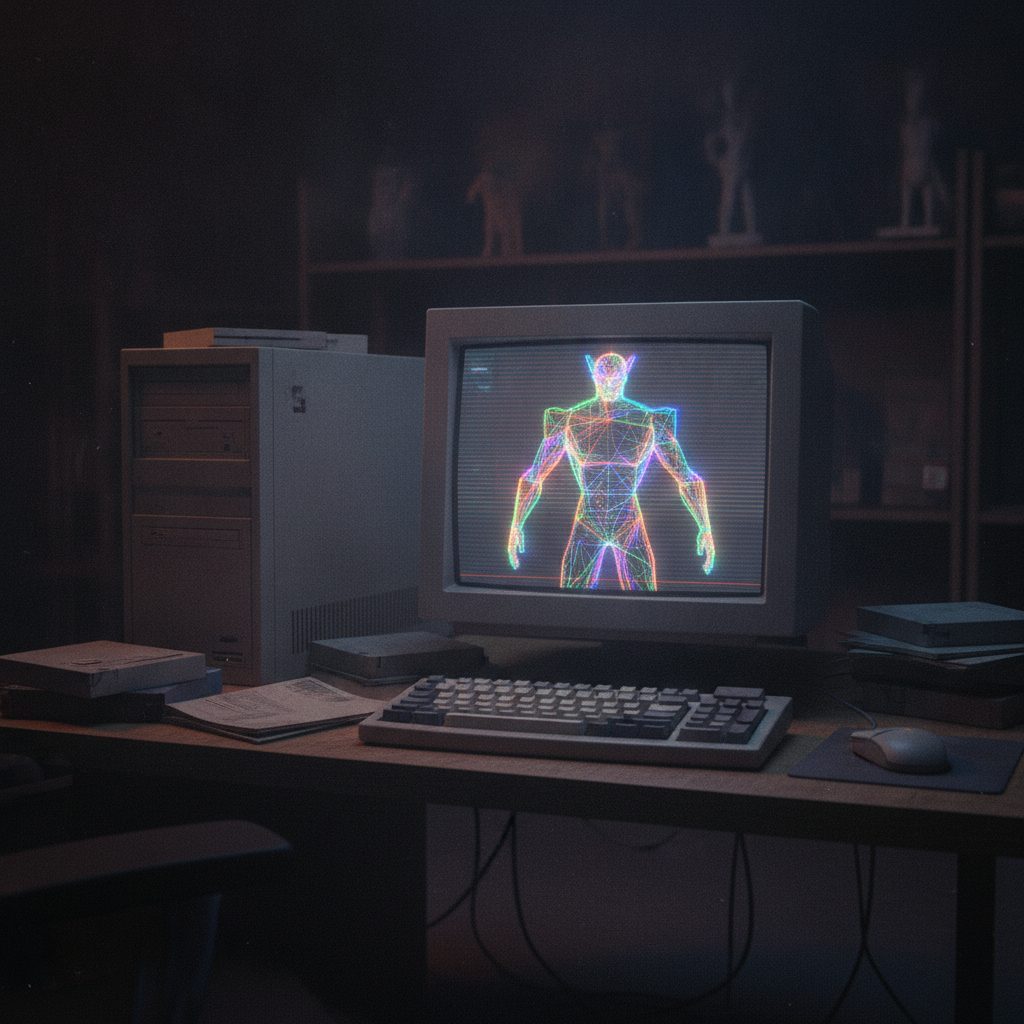
Behind the cheerful banter on screen lay a colossal technical challenge. Producing an entire feature film in 3D computer graphics had never been attempted at this scale before. Rendering a single frame of the movie required anywhere from forty-five minutes to thirty hours on Pixar's computer farm. The studio kept over one hundred computers running twenty-four hours a day to render approximately one hundred fourteen thousand individual frames across eighty-one minutes of movie time. Beyond sheer computing power, artists had to invent digital techniques for realistic lighting, plastic sheen, wood grain, and fabric textures so the artificial world felt real to human eyes.
When Toy Story arrived in American theaters on November 22, 1995, audiences and critics fell in love. The film earned over 191 million dollars at the United States box office, crowning it the highest-grossing film of 1995 domestically. Audiences were captivated by the seamless blend of cutting-edge technology and genuine heart. Reviewers noted that behind the shiny new digital varnish lay a classic story of friendship and acceptance, proving that computer animation could carry emotional depth equal to traditional hand-drawn classics.
The triumph of Toy Story did more than just fill theater seats; it launched Pixar Animation Studios into an entertainment powerhouse and signaled a massive shift for the film industry. Traditional hand-drawn animation, long the undisputed king of family cinema, gradually gave way to digital filmmaking as rival studios scrambled to build their own computer graphics divisions. Today, the legendary adventure of a jealous cowboy and a delusional space ranger stands as the spark that started a digital revolution, proving that pixels could touch hearts just as deeply as paint and paper.
Be the first to say something.