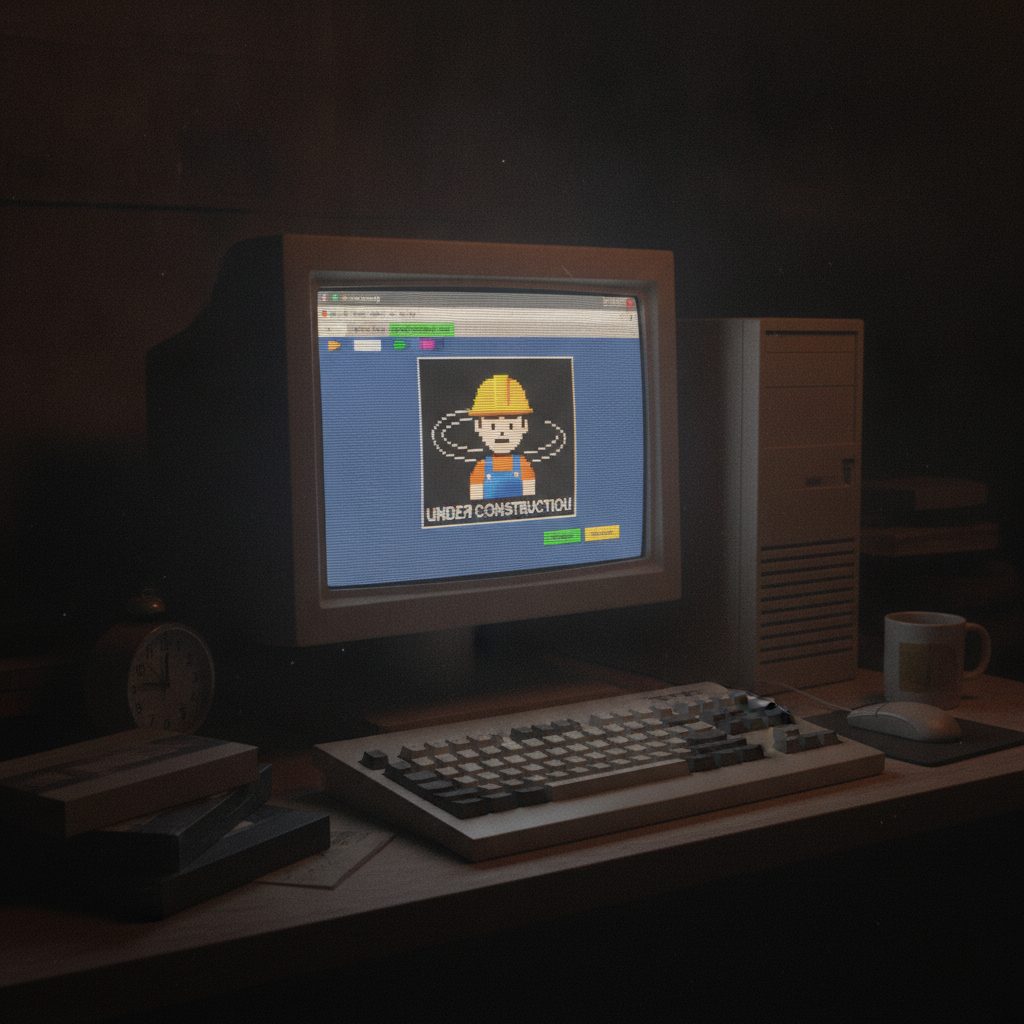
Somewhere out there, a GeoCities under-construction GIF is still spinning.
Dust off your dial-up modems and get ready for a trip down digital memory lane. Before algorithmic feeds took over our screens, the early internet was a wild frontier of custom HTML, cartoon valets, and peer-to-peer file sharing. Here are ten iconic websites and online services from the 1990s and 2000s that faded into history.
01
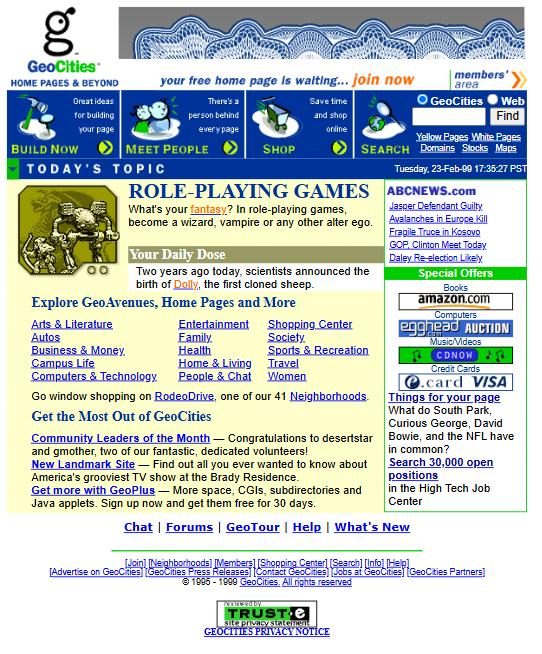
GeoCities (1990s to 2000s Era)
Launched in November 1994, GeoCities allowed users to build personal web pages hosted inside themed neighborhoods like SiliconValley and Hollywood. Yahoo acquired the service for billions in 1999, but as social networks like MySpace gained traction, user activity plummeted. Yahoo officially shut down the United States GeoCities service on October 26, 2009.
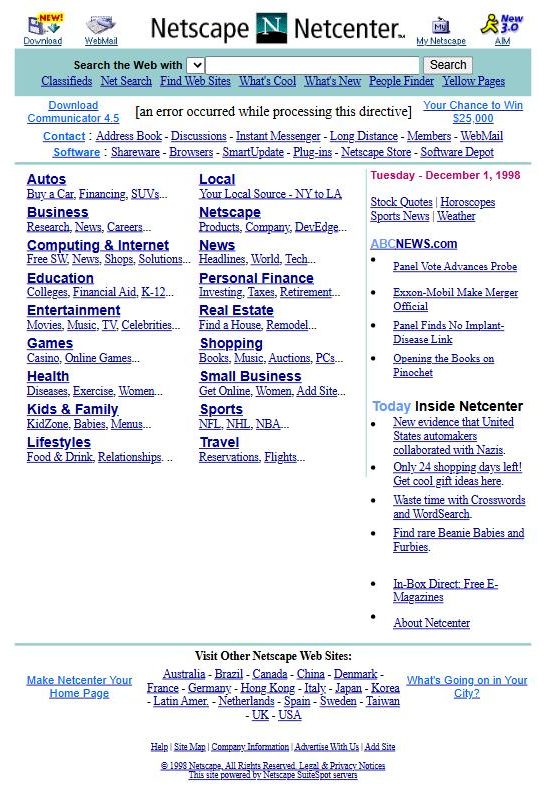
Debuting in December 1994, Netscape Navigator was the flagship commercial web browser that dominated early internet browsing with over 90 percent market share in the mid-1990s. It eventually lost the famous first browser war when Microsoft began bundling Internet Explorer directly into Windows. Parent company AOL officially ended all browser support and updates on March 1, 2008.
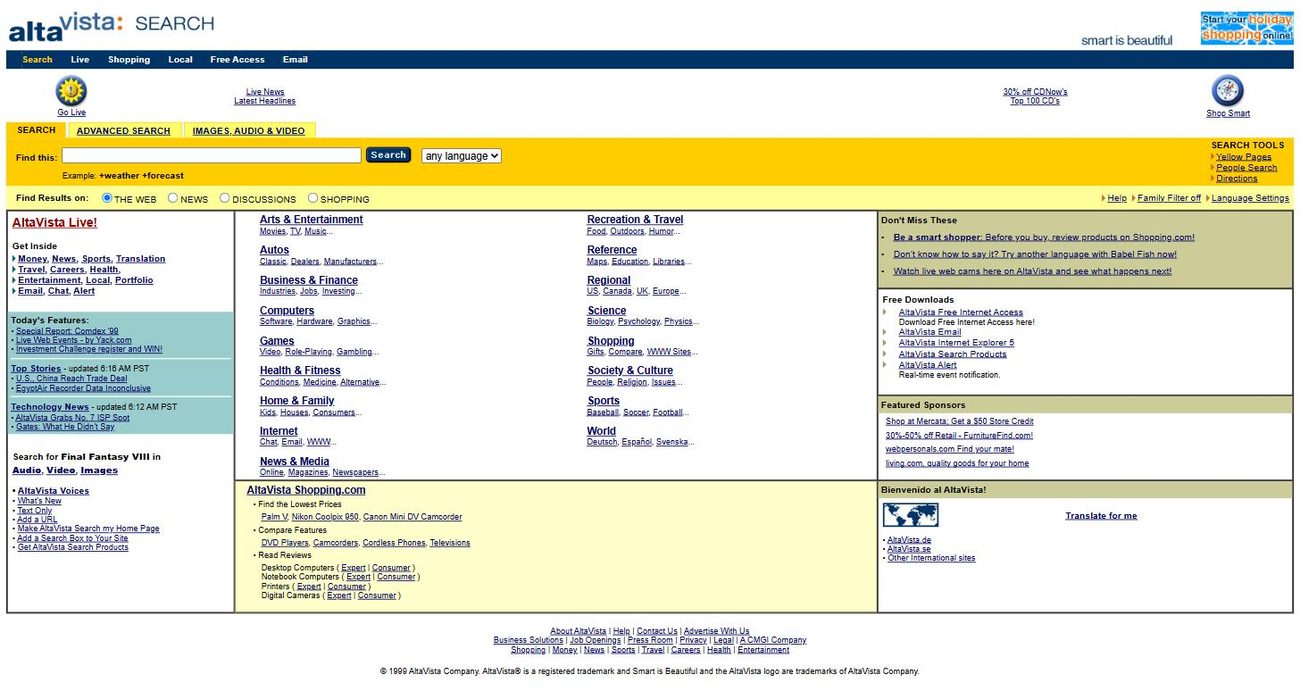
Created by researchers at Digital Equipment Corporation, AltaVista launched on December 15, 1995, as the first full-text searchable web index. The platform gained immense popularity for its rapid web crawler indexing, but cluttering portal redesigns and Google competition erased its market edge. Yahoo acquired the service in 2003 and permanently redirected the domain to Yahoo Search on July 8, 2013.
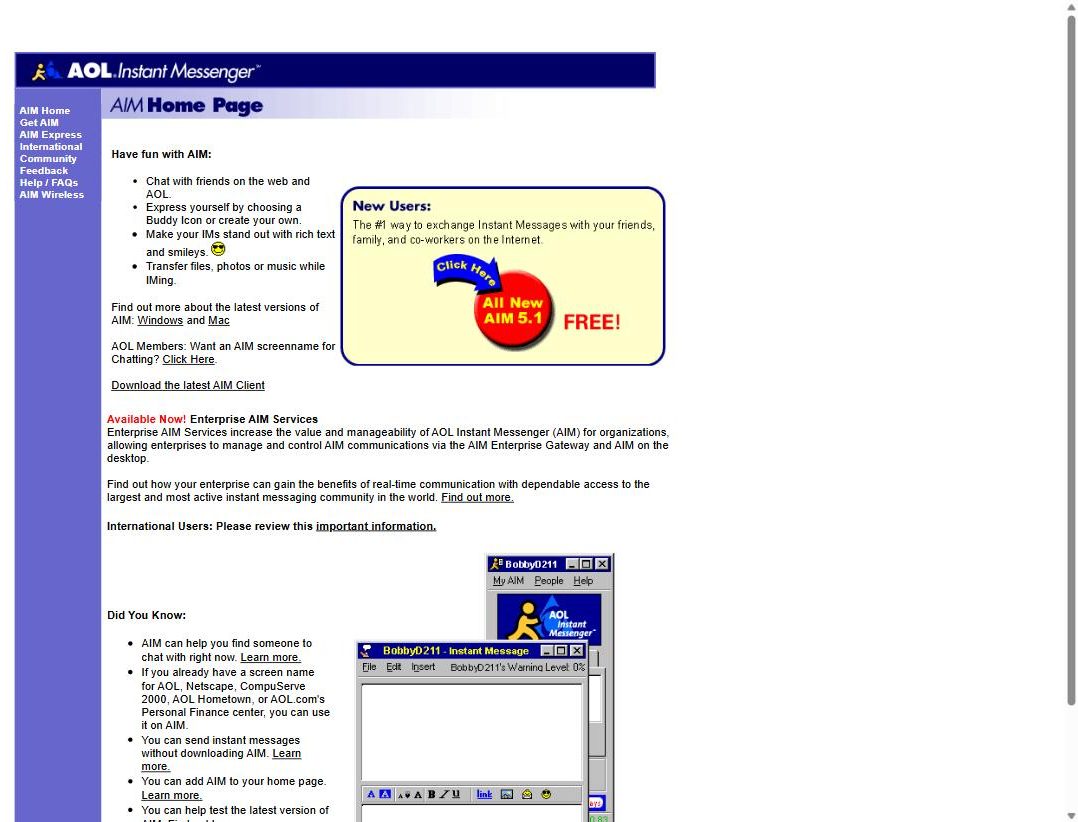
AOL Instant Messenger debuted in May 1997, providing millions of teens and young adults with customizable away messages, buddy lists, and iconic chat sounds. As mobile SMS, Google Talk, and modern social platforms took over real-time messaging, user numbers tumbled. Parent company Oath permanently pulled the plug on the service on December 15, 2017.
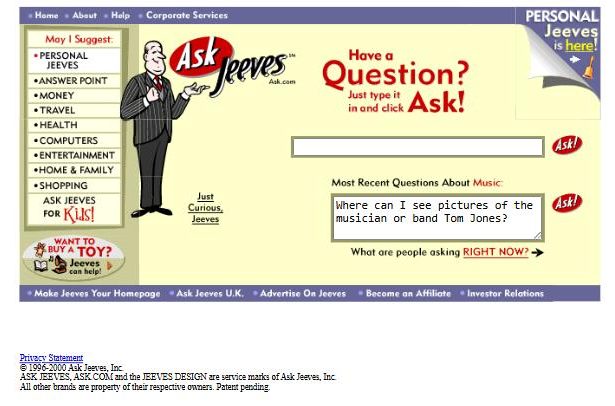
Ask Jeeves launched in June 1997, pioneering conversational web search by letting users type plain English questions answered by a cartoon butler mascot. The site rebranded as Ask.com in 2006 to compete directly with Google, but it gradually lost ground in web search. Parent company IAC officially shuttered its search operations on May 1, 2026.
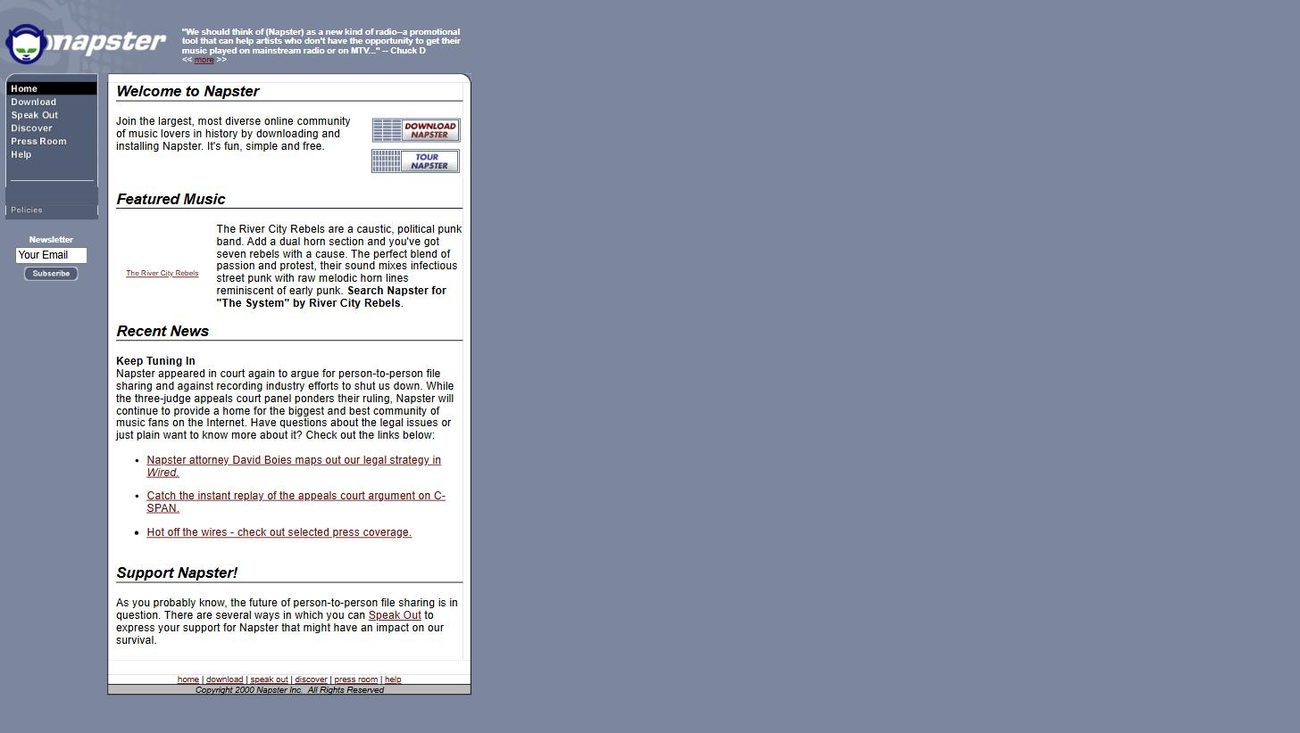
Created by Shawn Fanning and Sean Parker, Napster launched on June 1, 1999, as a groundbreaking peer-to-peer file sharing client focused on MP3 audio files. The platform accumulated tens of millions of users, but high-profile lawsuits from artists like Metallica and the RIAA brought swift legal troubles. A federal court order forced the original network to shut down in July 2001 prior to its 2002 bankruptcy.
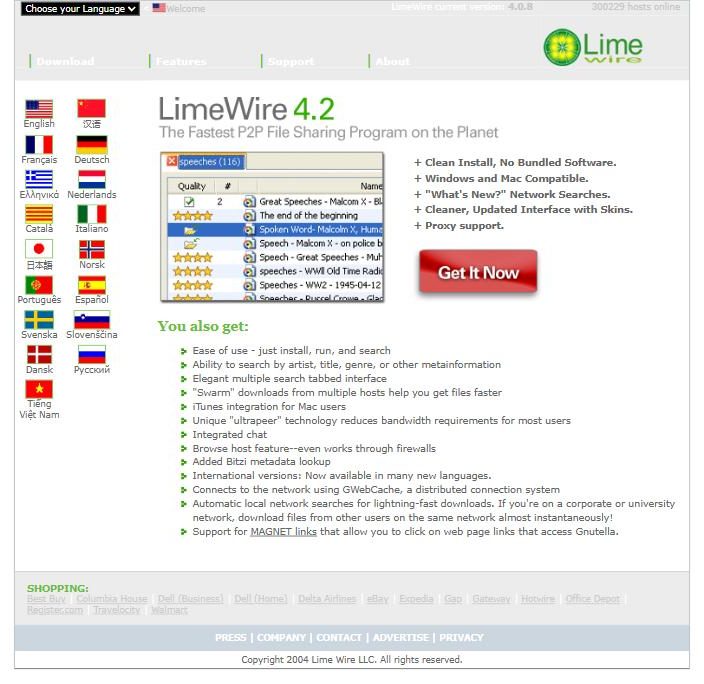
Released on May 3, 2000, LimeWire was a Java-based peer-to-peer file-sharing client that utilized the Gnutella network to trade songs, videos, and software. It became a household name for downloading MP3s, but it faced years of intense litigation from major music labels. A United States federal court issued a permanent injunction that shut down the file-sharing software on October 26, 2010.
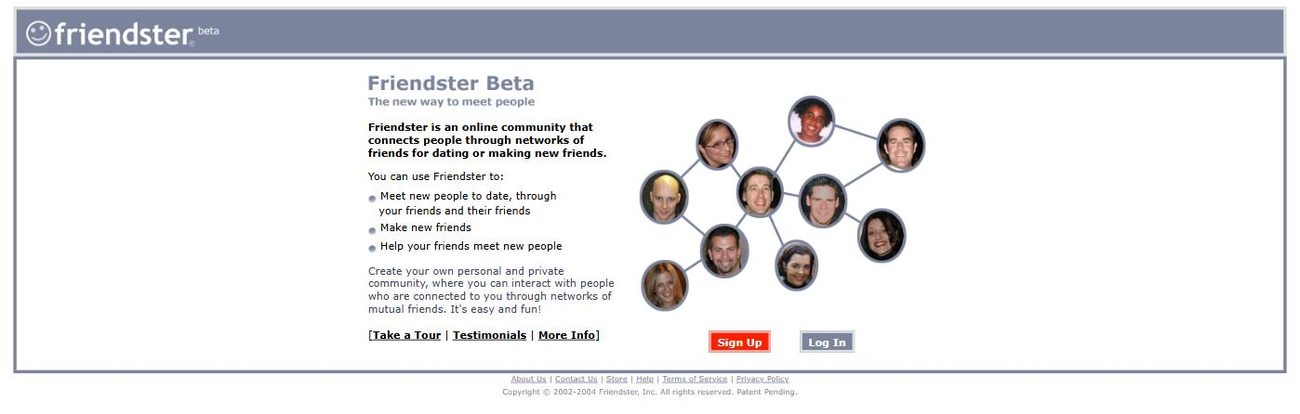
Founded by Jonathan Abrams, Friendster launched in March 2002 and became one of the first mainstream social networking services. The site struggled with severe backend server performance issues while competing against MySpace and Facebook. After pivoting into a social gaming platform, Friendster suspended its online services in 2015.
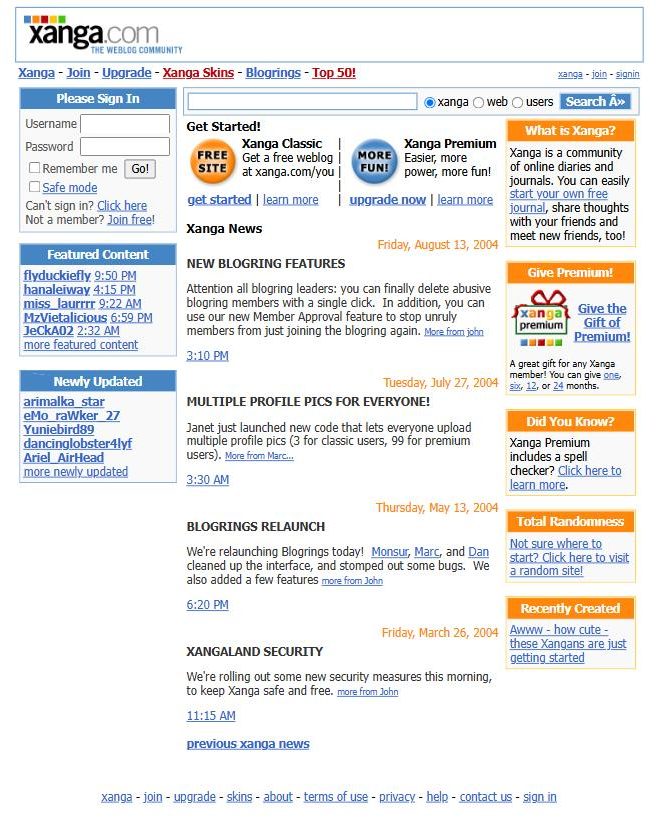
Xanga launched on April 4, 1999, evolving from a book review site into a massive blogging hub for teen angst, photo sharing, and custom HTML profiles. As users migrated to platforms like Facebook and Tumblr, participation sharply declined. A 2013 crowdfunding campaign failed to reach its target, leaving legacy blogs unnavigable.
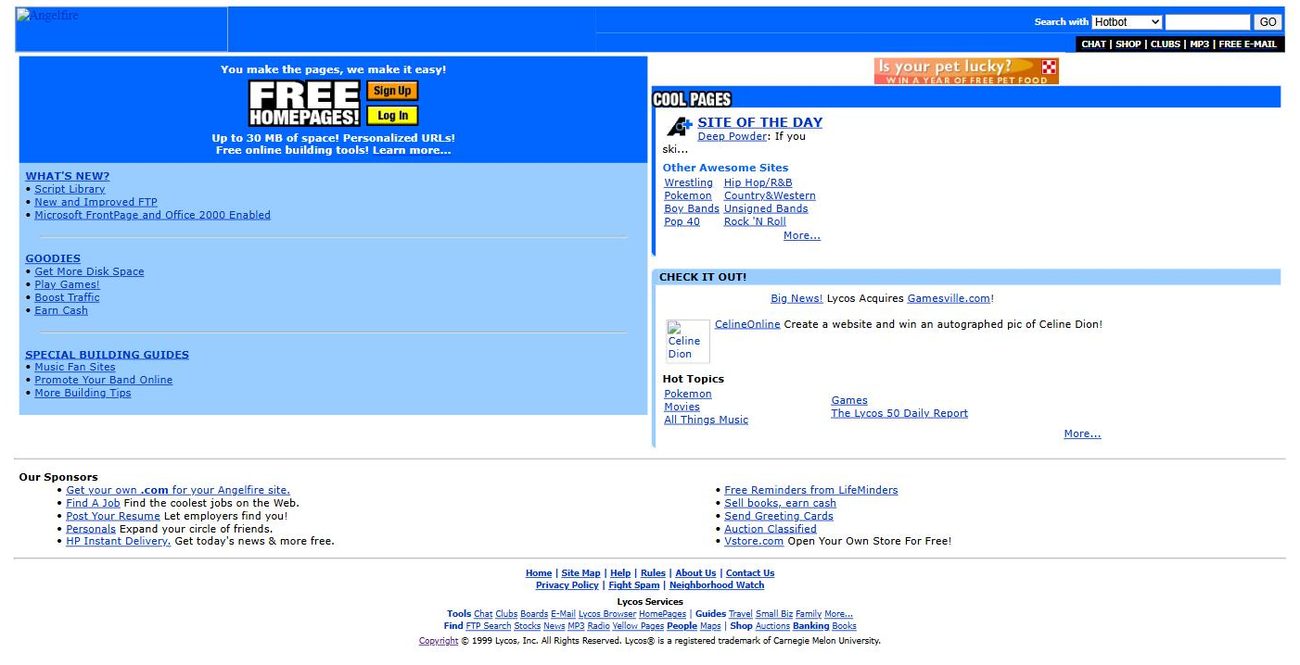
Launching in 1996, Angelfire emerged as a go-to free web hosting provider alongside GeoCities, filling the early web with personal homepages and animated graphics. Lycos acquired the platform in 1998 and later shifted the service to paid hosting in 2010. Following prolonged server outages, Lycos officially shut down Angelfire in April 2026.
That concludes our scheduled broadcast down the dial-up superhighway, assuming your landline connection hasn't snapped yet. Drop a comment with the digital ghost town you miss the most, or send this to a friend who definitely infected the family computer on LimeWire.
Liked this?
RC
The Remote Control Desk
The Common Clickbait crew who watch too much so you do not have to. Fueled by nostalgia, cheap snacks, and an unhealthy need to be right about the ending.
Join the conversation
0comments
Which classic internet memory hit you hardest, or which forgotten homepage would you add to this retro lineup?

Be the first to say something.