Tune your television dials back to the early 1980s, when the home video boom fundamentally reshaped how audiences consumed movies. As videocassette recorders became affordable consumer appliances, the Video Home System, best known as VHS, gradually won the intense format war against Sony Betamax. Movie lovers no longer had to adjust their personal lives around broadcast network schedules or wait years for theatrical revivals. Instead, independent mom-and-pop rental shops began springing up in strip malls everywhere. These cozy neighborhood joints stocked heavy plastic clamshell cases, inviting neighbors to take magnetic tape adventures right into their living rooms.
Seeing an opportunity to turn local renting into a massive commercial engine, David Cook founded Blockbuster Video in Dallas, Texas on October 19, 1985. Cook modernized the rental model by introducing custom computer software, barcoded inventory, and expansive mega-stores featuring bright blue-and-yellow decor. By stocking thousands of tapes per location, Blockbuster blew past mom-and-pop competitors that could only afford a few hundred copies. The brand expanded at breakneck speed through organic growth and aggressive corporate acquisitions. By 2004, Blockbuster reached its historic peak, operating over 9,000 stores worldwide with a workforce of more than 84,000 employees.
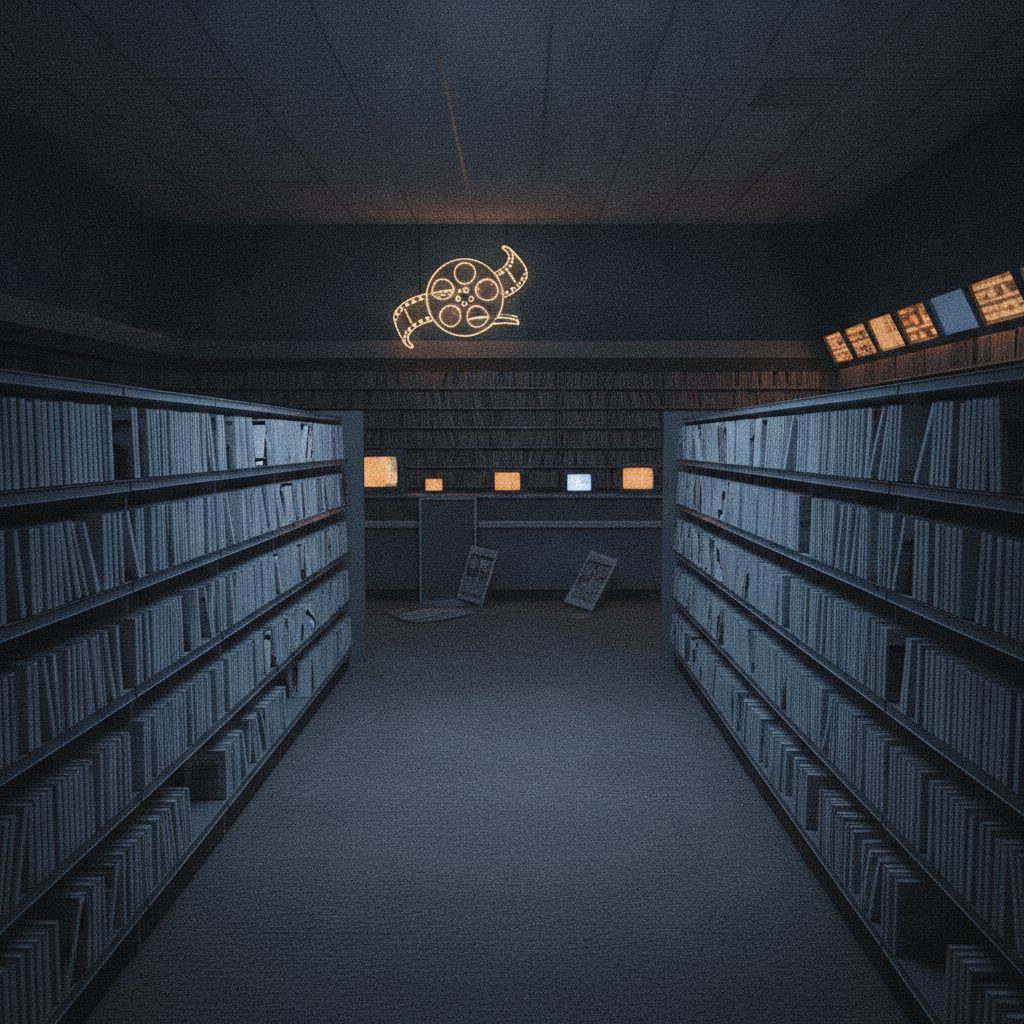
During the height of this retail empire, Friday-night browsing became an iconic cultural ritual across suburban America. After a long school or work week, families and friends poured into brightly lit aisles lined with rows of plastic movie boxes. Searching for a hit new release felt like a high-stakes treasure hunt. If the plastic case sat empty on the shelf, eager moviegoers checked behind the display box or hovered near the return drop box, waiting for an employee to re-stock a freshly returned copy. The experience was half the fun, completed by grabbing boxed candy, microwavable popcorn, and video games at the checkout counter.
Behind the neon signs and buttered popcorn, however, lurked a persistent customer grievance: late fees. For years, failing to return a tape or DVD on time triggered daily penalties that quickly accumulated. By the year 2000, Blockbuster generated approximately 800 million dollars from late fees alone, representing nearly 16 percent of the company's total revenue that year. While these fees buoyed short-term profits, they bred deep frustration among loyal customers who felt punished for simply misplacing a tape for a day or two. This growing resentment created an open door for ambitious disrupters.
Disruption arrived in two distinct waves. Reed Hastings and Marc Randolph founded Netflix in Scotts Valley, California in 1997, introducing a subscription-based DVD-by-mail service that famously eliminated late fees entirely. A few years later, in 2002, Redbox entered the scene with automated red rental kiosks placed outside supermarkets and convenience stores, offering quick one-dollar nightly rentals. As internet broadband expanded and digital video on demand gained traction, consumers quickly embraced the convenience of getting movies without leaving home or driving back to return a plastic disc.
Burdened by costly store leases, mounting debt, and changing consumer habits, Blockbuster found itself unable to navigate the digital shift. The corporate giant officially filed for Chapter 11 bankruptcy protection in September 2010. Satellite television provider Dish Network purchased the company's remaining assets in 2011, but the decline continued relentlessly. Store closures swept across the country until the last corporate-owned Blockbuster locations officially shut their doors in early 2014, signaling the end of an era for corporate video chains.
Yet the story of the video rental store does not end in total extinction. High in Central Oregon, one store kept its yellow sign lit against all odds. Located in Bend, Oregon, the world's last remaining Blockbuster store continues to operate today. Originally opened in 1992 as Pacific Video and converted into a Blockbuster franchise in June 2000, it became the lone surviving Blockbuster on Earth in March 2019. Part functioning neighborhood store and part living pop-culture museum, the Bend location proves that the tangible nostalgia of physical browsing still holds a legendary place in entertainment history.


Be the first to say something.